
Mushroomcore: How the Fungi Aesthetic Rooted Itself in 2026

By Dave Dion-Labrecque - Updated July 2026 - 7 min read
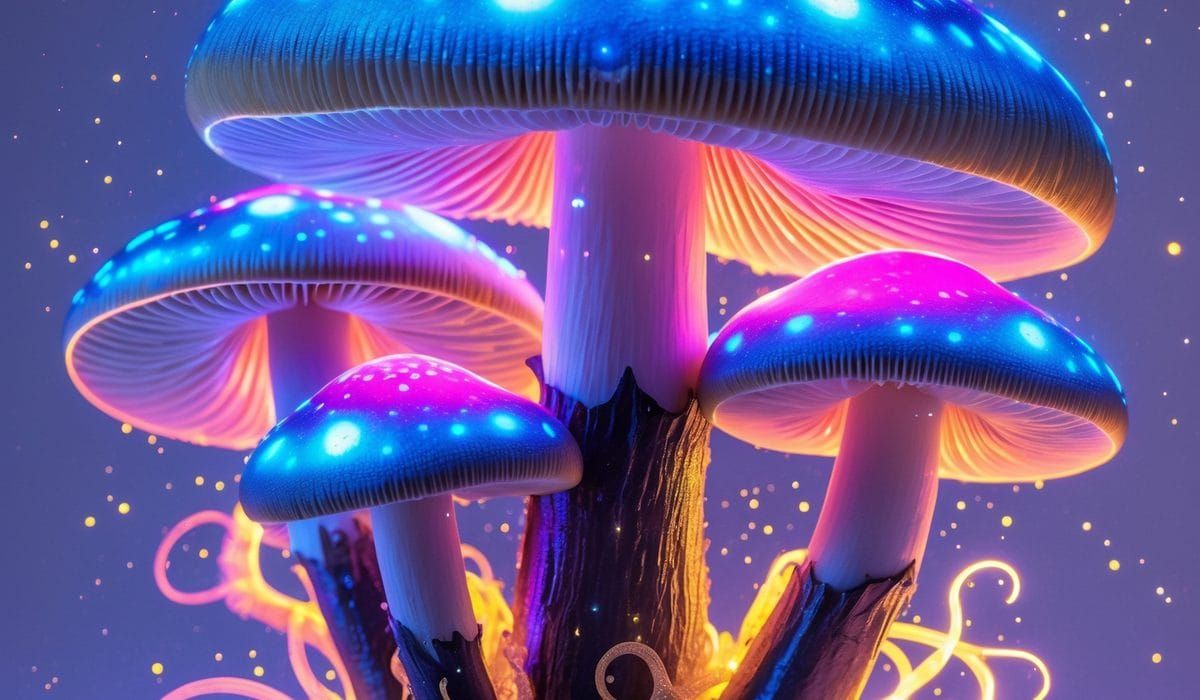
The first sign was the moodboards. Sometime this spring, almost every reference folder crossing my desk started sprouting the same thing: caps and gills, spore prints, a stray amanita glowing in the corner of a photo nobody remembered adding. The mushroomcore aesthetic had quietly colonised our studio the way fungi colonise a fallen log, from the inside out, before anyone announced it. When I finally searched the term to see whether we were imagining a pattern, the numbers were not subtle. Pinterest, TikTok and Reddit were all logging steep climbs on anything fungal, and the climb had not levelled off since 2022. It had kept going.
So this is less a trend report than a field note on why a look built around decay, damp and decomposition became one of the most quietly dominant aesthetics of 2026. Mushrooms are not new to fashion. What changed is the meaning we hung on them.
So what is mushroomcore, exactly
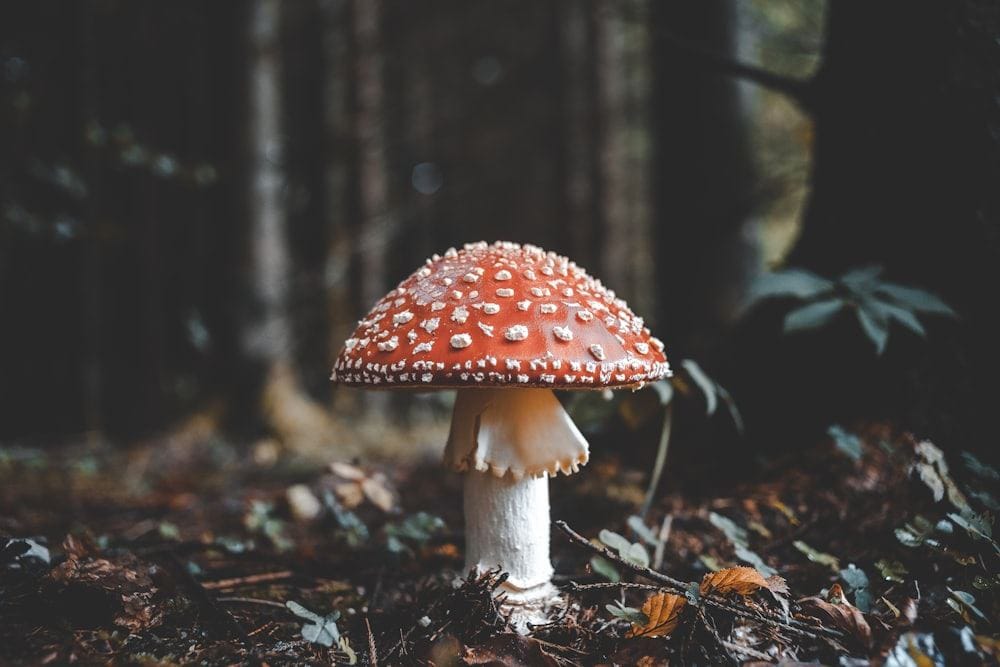
Mushroomcore is the aesthetic of the forest floor rather than the meadow. That single distinction does most of the work. Where cottagecore is sunlit fields and fresh bread cooling on a windowsill, mushroomcore lives one layer down, in the shadowed, spongy, slightly rotten part of the woods where things are busy breaking down and starting over. It inherited its earthy palette and its taste for folklore from the feral, treasure-hoarding sensibility of goblincore, but it kept only the fungi, and it grew up.
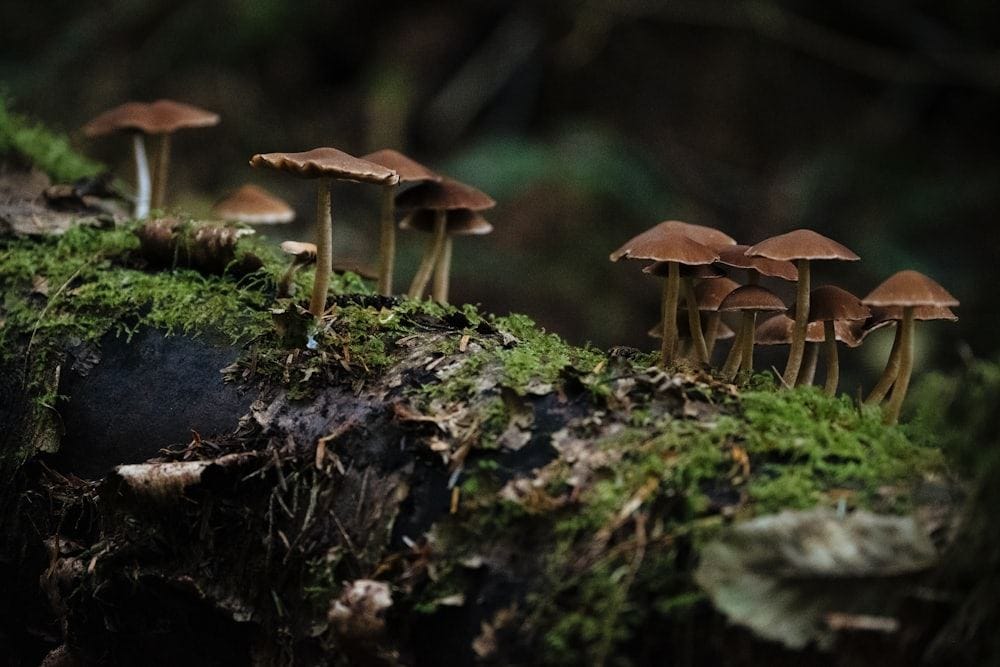
The clothes come in two dialects. There is the practical, foraging version, all earth-toned layers, chunky knits, waxed jackets and boots you could actually walk a wet trail in. Then there is the whimsical version, closer to fairy tale, where the mushroom stops being a garnish and becomes the whole fantasy. We split nature into rival looks once before in our piece on how the countryside fractured into competing aesthetics, and mushroomcore is what happens when you follow that fracture down past the topsoil.
Why fungi, and why right now
Every aesthetic is a mood wearing clothes, and the mood of 2026 has been tired. Pinterest framed its whole forecast this year around escapism and self-preservation, and mushrooms turn out to be an unusually good vessel for both. A fungus asks nothing of you. It does not perform, it does not optimise, it does not have a personal brand. It just quietly does its work in the dark and occasionally produces something beautiful. For a generation worn down by the pressure to be legible and productive at all times, that is close to an aspirational lifestyle.
There is also the slowness. Mushrooms operate on geological patience, and the aesthetic borrows that tempo. It rewards attention, texture and a kind of looking that the feed usually punishes. I have spent enough time now staring at gills and spore patterns to say that the appeal is partly meditative; you cannot rush a mushroom, and it turns out a lot of people wanted permission to slow down.
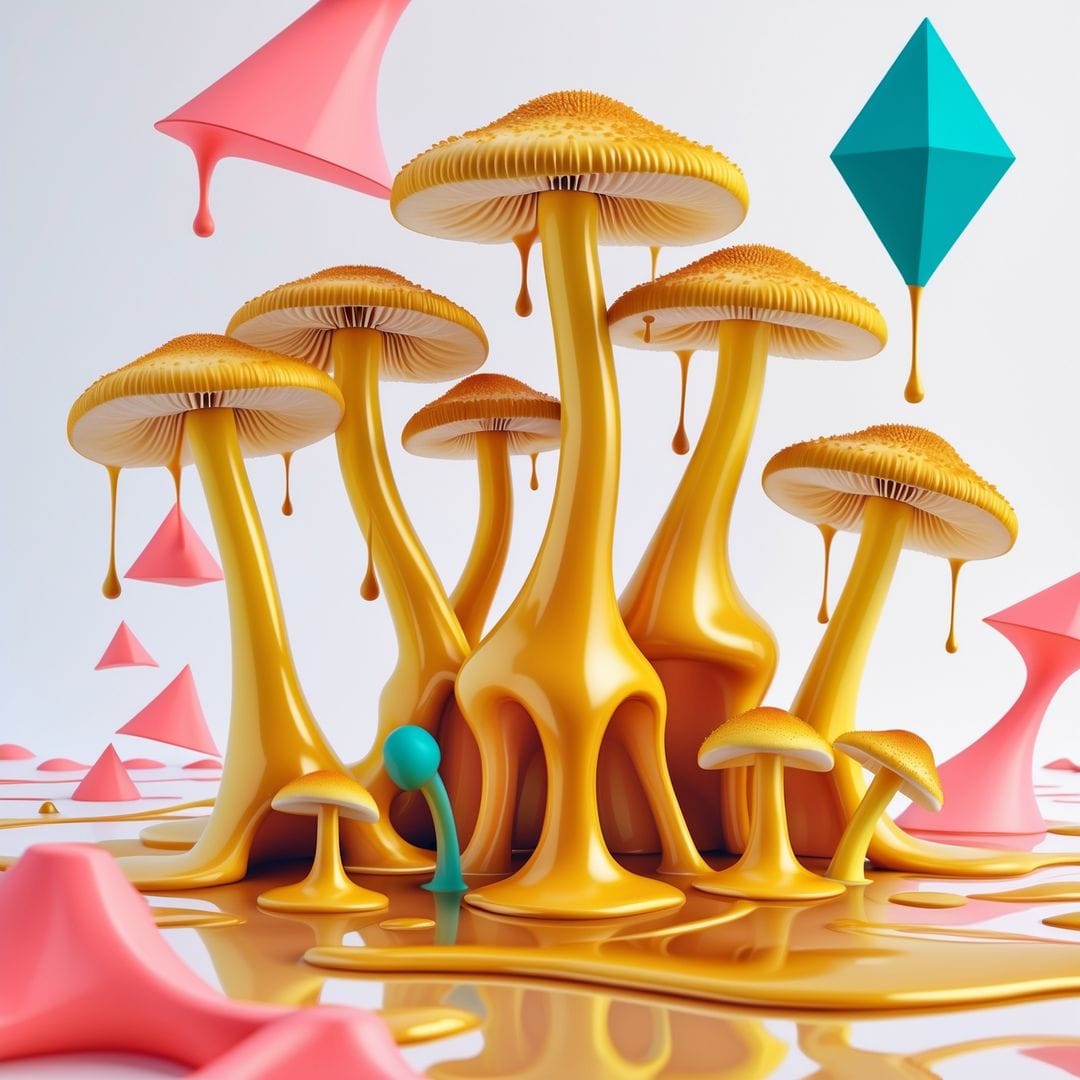
None of this would matter if the visuals were weak, but fungi are almost unfairly photogenic. The forms are alien without being frightening, the colours run from bruised violet to poison red to gentle fawn, and the scale plays tricks. This is the same appetite for the strange-but-soft that powered our look at the uncanny pull of liminal, dreamlike imagery. Mushrooms scratch that itch and happen to be real.
The network underneath the trend
Here is the part that took mushroomcore from a cute print to something with actual weight. People learned what the mushroom is. The cap you see is only the fruiting body, the visible tip of a vast underground web of thread called mycelium. Those threads knit into the mycorrhizal networks that link trees and plants underground, moving carbon, water and warning signals between organisms that look, from above, like they are standing alone. The forest, it turns out, is talking to itself, and fungi are the wiring.
That single fact reframes the whole aesthetic. Mushroomcore is not really about mushrooms. It is about connection, mutual aid and the idea that the important work happens where you cannot see it. In a decade obsessed with individualism, an aesthetic built on symbiosis reads almost like a political stance. It is quiet, but it is pointed.
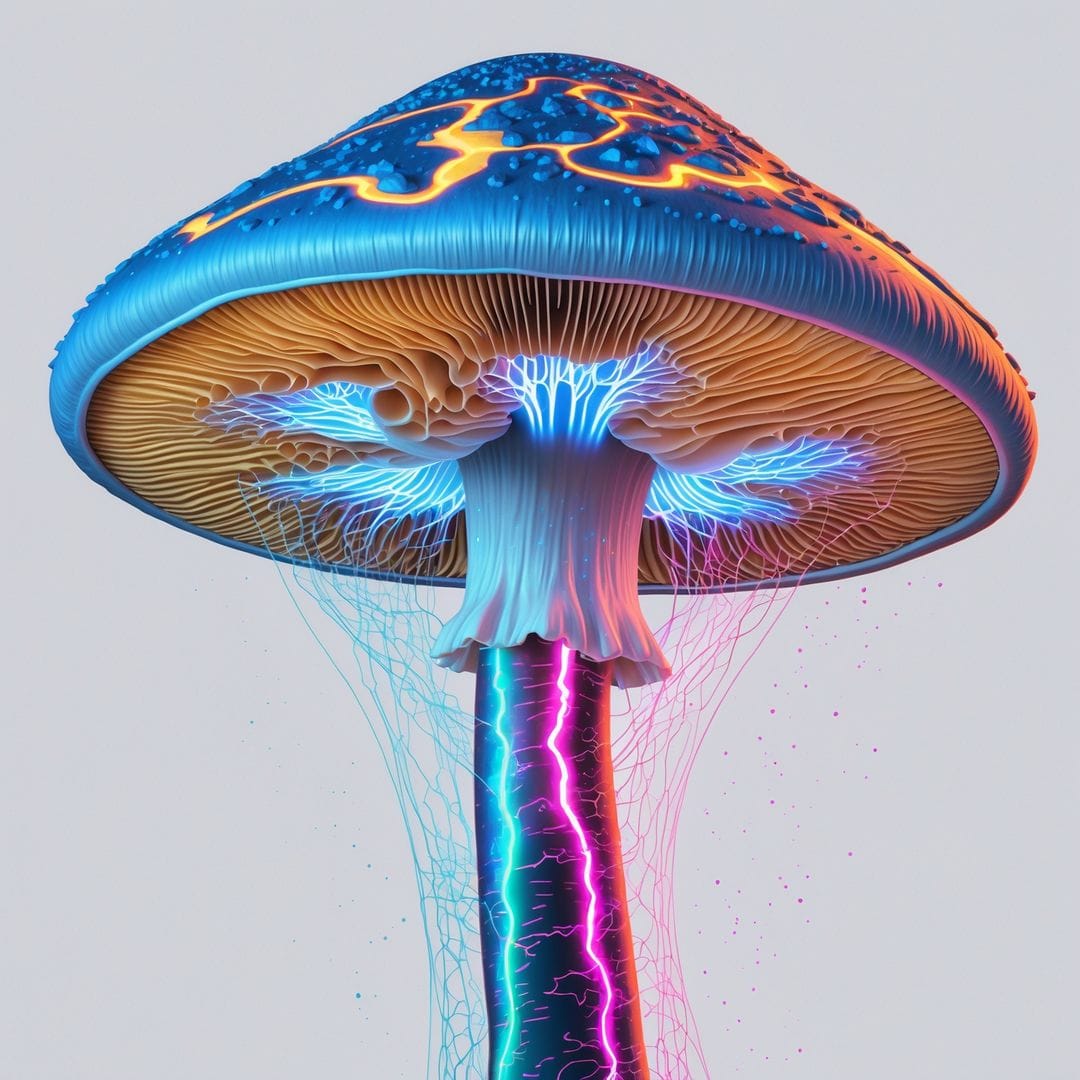
You can see why the imagery travels. A glowing mycelial web is beautiful and it is also a diagram of how ecosystems actually hold together. The glow itself is not pure invention either; some fungi genuinely produce light, a phenomenon we followed down a different rabbit hole in our study of how living things make their own light in the dark.
From forest floor to fashion floor
The trend stopped being purely decorative the moment the material scientists arrived. Mycelium can be grown into a supple, leather-like sheet in a matter of weeks, against the years it takes to raise an animal for hide, and the fashion industry noticed. Stella McCartney has been one of the loudest voices here, devoting collections to fungi and putting mushroom-derived materials on the runway, while Hermes and a consortium of sportswear giants have all invested in growing the stuff at scale. The trade coverage of that mushroom-leather push makes the economics plain: a hide you can grow in a lab in a fortnight is hard for the industry to ignore.
This is where mushroomcore stops rhyming with older nature aesthetics and starts to matter on its own terms. Cottagecore sold a fantasy of retreat. Mushroomcore, at its most serious, gestures at a material future: fabrics that decompose, supply chains that mimic the way a forest recycles itself. It shares that engine with the hopeful, build-something eco-futurism of solarpunk, only pointed at your wardrobe instead of the skyline. Fashion writers have started grouping it with algae and spider silk as part of a broader shift; one useful survey of these grown materials puts fungi at the centre of the conversation.
How to read the look
If you want to recognise mushroomcore in the wild, forget the literal mushroom print for a second and read the grammar underneath. The palette is decomposition itself: loam brown, moss, ochre, oxblood, bone, the occasional shock of amanita red. Textures matter more than silhouette, so expect felted wool, raw linen, suede, anything with a surface you want to touch. And the mood is muted and a little melancholy, comfortable with rot in a way that most trends are not. Death and regrowth are not a bug of this aesthetic. They are the entire point.
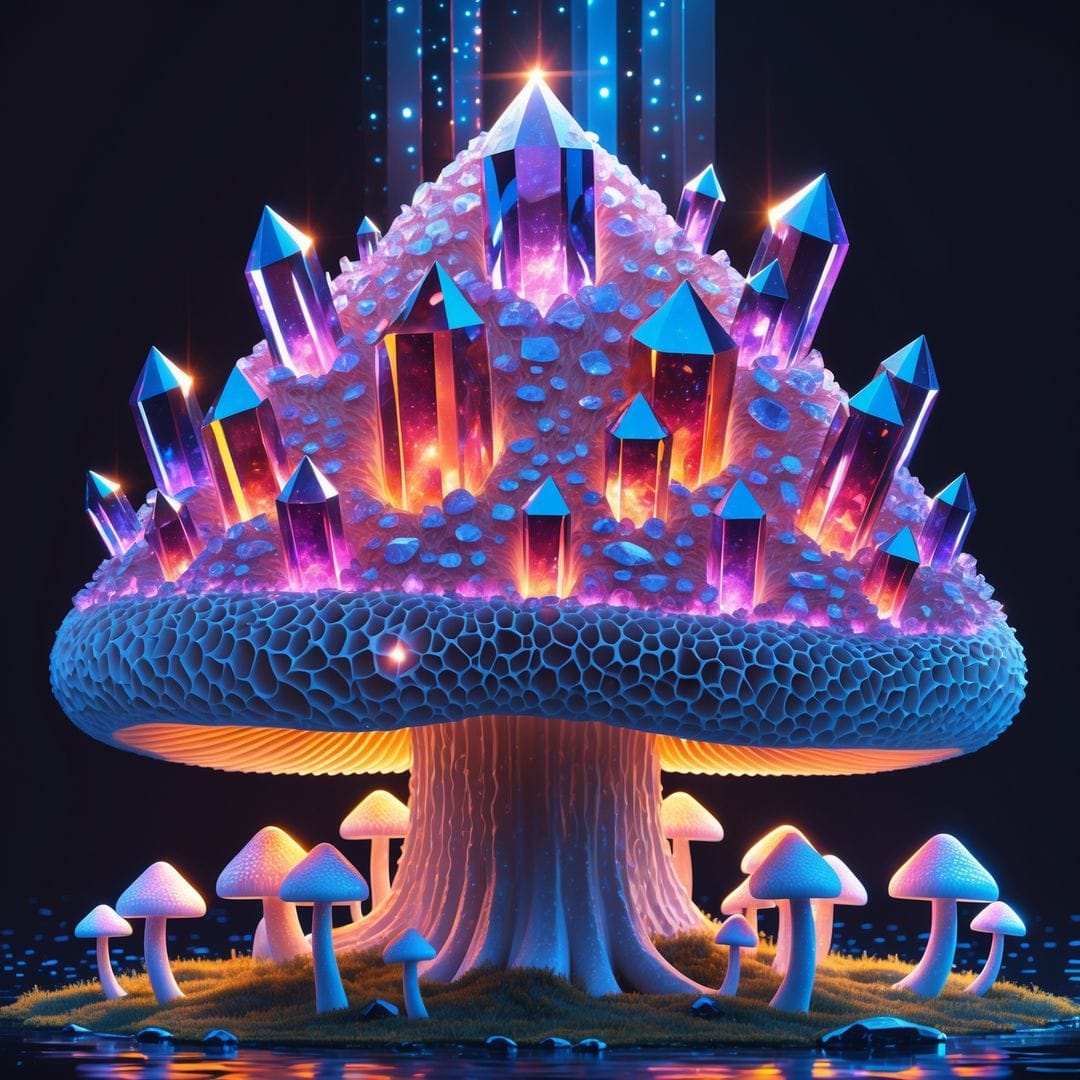
The symbolism runs deep, and it is not accidental that a culture drawn to crystals and omens fell for fungi at the same time. We traced that same instinct in our piece on why gemstone symbolism took hold with the same audience. Mushrooms carry a similar freight of meaning: transformation, hidden knowledge, the threshold between one state and the next. That is a lot of weight for a fungus to bear, and somehow it holds.
Where it goes from here
My honest read, after months inside this look, is that mushroomcore has more staying power than the average micro-trend precisely because it is anchored to real things. There is a science under it that keeps getting more interesting, a sustainability story the industry has money riding on, and a mood, that longing for slowness and connection, that is not going away in a year. Aesthetics fade when they run out of meaning. This one keeps finding more.
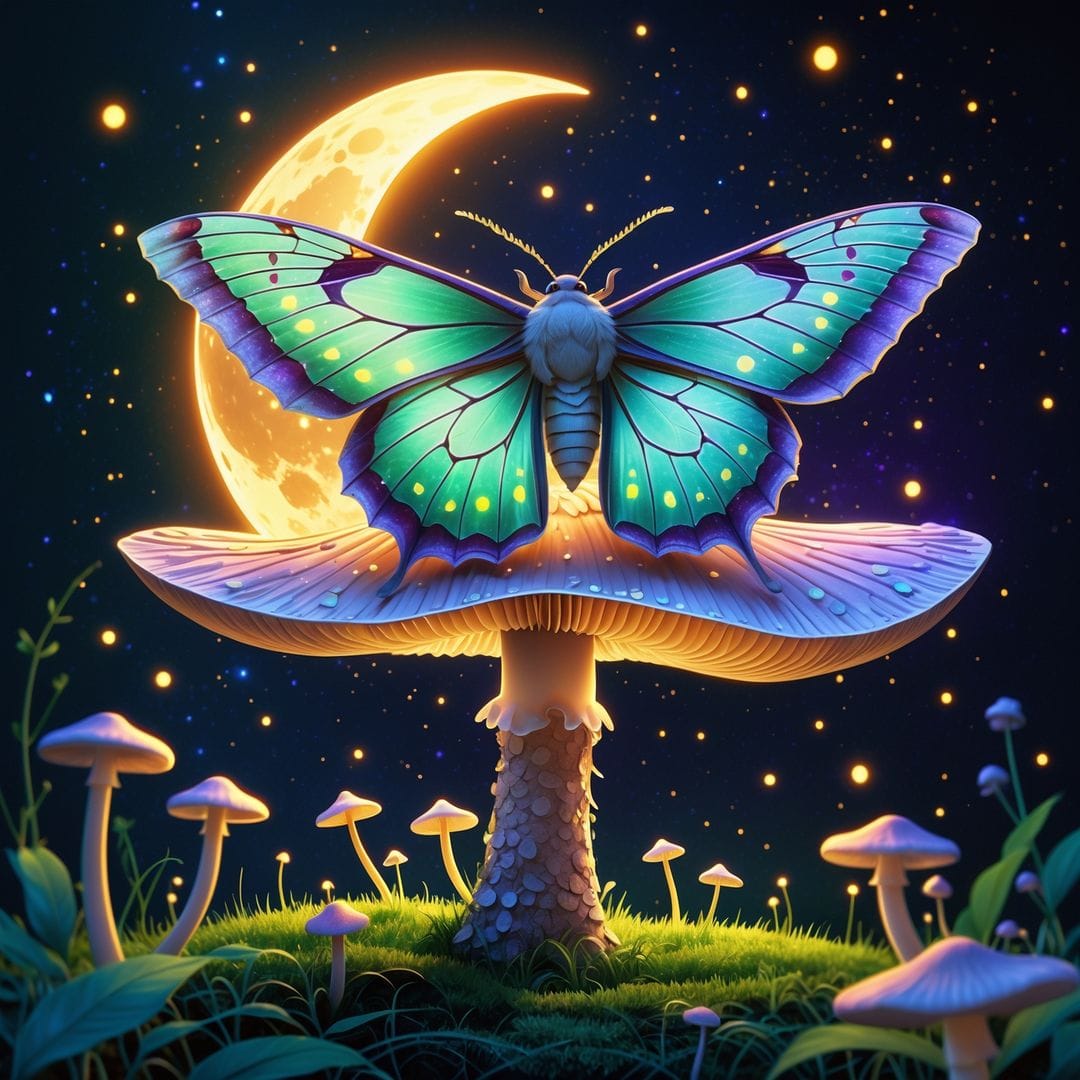
The mushroom has always been a symbol of what happens in the overlooked places. It feels right that in a loud, exhausting decade, we started dressing like the quiet, patient, deeply connected thing under the soil.
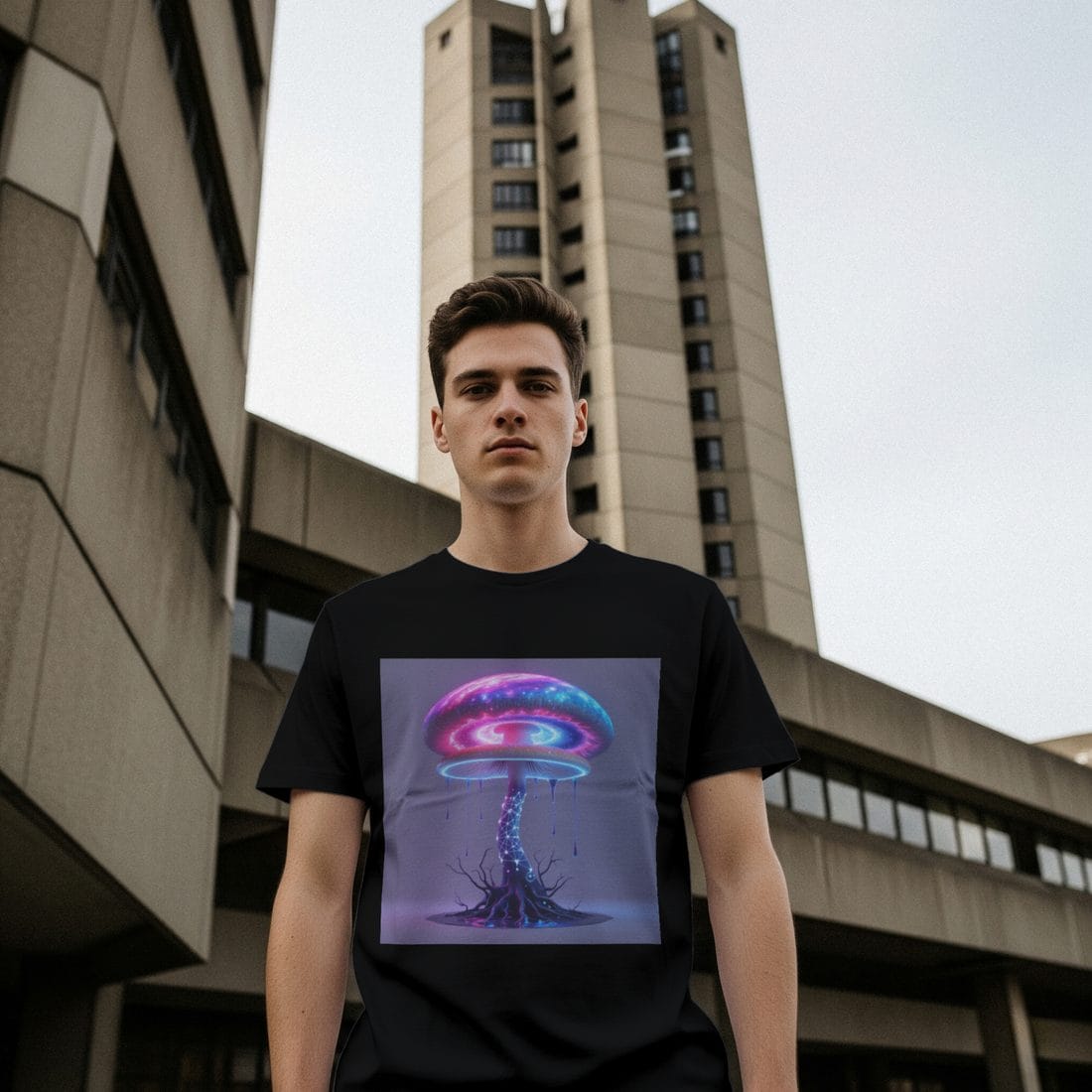
A note from the studio. Our fungi-obsessed collection, Spore Odyssey, leans hard into the fantasy dialect of all this: bioluminescent caps, crystal cathedrals, mycelial webs drawn as living light. It started, like most things here, with a moodboard we could not stop adding mushrooms to. If the forest-floor mood in this piece is doing something for you, that is the corner of the shop to wander into.
Frequently asked questions
What is the mushroomcore aesthetic?
Mushroomcore is a nature-based aesthetic centred on fungi, forest-floor imagery and earthy tones. It grew out of goblincore and cottagecore but focuses on decay, symbiosis and the shadowed understory of the woods rather than open, pastoral fields.
Is mushroomcore the same as goblincore?
No. Goblincore is broader and more chaotic, celebrating snails, moss, shiny trinkets and general woodland clutter. Mushroomcore narrows the focus almost entirely to fungi and carries a more melancholy, meditative mood.
Why is the mushroom aesthetic so popular in 2026?
It sits at the intersection of three currents: a cultural craving for slowness and escapism, growing public fascination with mycelial networks and how fungi connect ecosystems, and a real sustainability push around mushroom-derived, leather-like materials in fashion.
How do you dress in a mushroomcore style?
Reach for earthy layers in loam brown, moss and ochre, prioritise natural textures like wool, linen and suede, and add fungal motifs sparingly. The mood matters more than any single mushroom print.
🎨 Original designs featured in this article are AI-generated and curated by The Design Drop. External photographs and illustrations are credited individually where used.
Love what you see?
Get free designs, exclusive deals & curated gift guides every week.
Subscribe to The Design Drop - it's free!