
Dark Romantic Aesthetic: How to Style 2026's Gothic Revival

By Dave Dion-Labrecque - Updated August 2026 - 7 min read
A reader sent me a photo of her closet in July. A velvet corset top, a lace slip, pointed boots, three different blacks, and one question: "How do I wear any of this without looking like I am in costume?" She had bought the right pieces. What she was missing was the logic that holds them together. That gap is the real problem with the dark romantic aesthetic in 2026. It is the most discussed dark style of the year, it ran through the fall collections, and almost nobody bothers to explain how the parts connect. We have spent most of a year building artwork inside this register, which meant reading a great deal about where it came from. What follows is the working version of what we learned, written for the person standing in front of a closet at 8 a.m.
What this look actually is, and what it is not
Dark romantic is not goth. Goth is a subculture with a music history, a set of clubs, and forty years of internal argument about who counts. Dark romantic is a mood you can pick up on a Tuesday and put down on Friday, which is exactly why it scaled. Pinterest's 2026 trend report filed it under an umbrella of escapism and self-preservation, alongside a general fatigue with keeping up. That framing rings true to me. People are not reaching for black because they feel morbid. They are reaching for it because it reads as considered, private, and slightly unavailable.
It is also not dark academia, which is really a library fantasy built on tweed and deadlines. And it is not whimsigoth, which keeps the crescent moons and loses the severity. The closest relative in our own back catalogue is the poetcore look we broke down in July, though poetcore leans soft and inward while this one leans structured and outward. If you want a single sentence: dark romantic is Victorian mourning dress reinterpreted by somebody who also owns a leather jacket.
Everything here is borrowed from the Victorians
The source code is nineteenth century mourning custom, and it is worth knowing because the rules explain the shapes. After Prince Albert died in 1861, Queen Victoria wore black for the rest of her life, and an entire commercial industry grew up around bereavement wear. Crape, a stiff crimped silk with no shine to it, became the fabric of deep mourning. Jet, a fossilised wood from the Yorkshire coast that polishes to a hard black gloss, became the only jewellery permitted in the first year. The V&A holds an example of a commercially produced mourning dress from a dedicated London warehouse, which tells you how systematic this was.
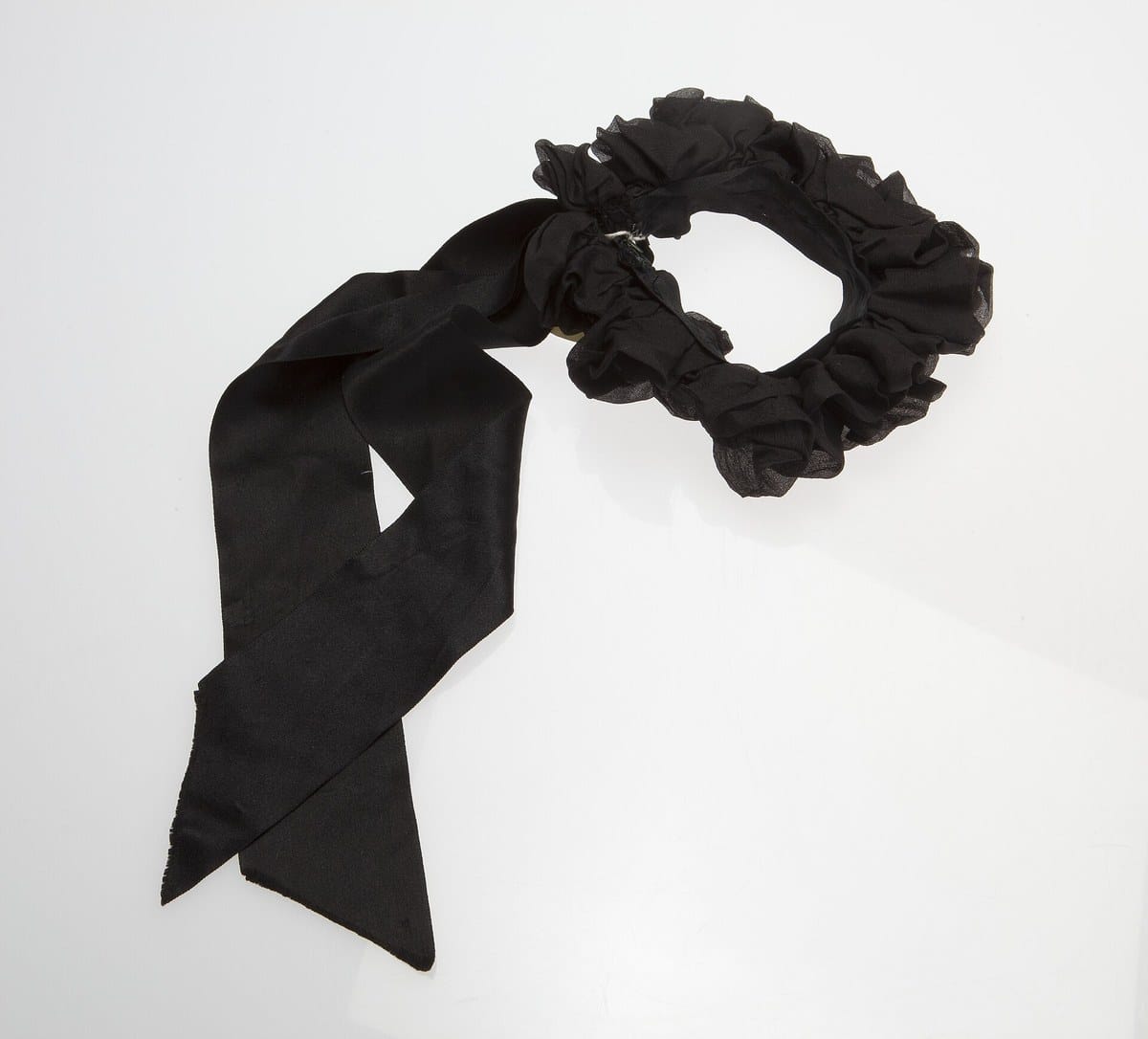
Two details from that period still drive the look. The first is texture contrast. Mourning dress was legible precisely because matte crape sat next to glossy jet and dull silk, so an all-black outfit still had depth. The second is symbolic literacy. Jewellery carried willows, urns, pearls for tears, sometimes a lock of the dead person's hair woven under glass. Nothing was decorative by accident.
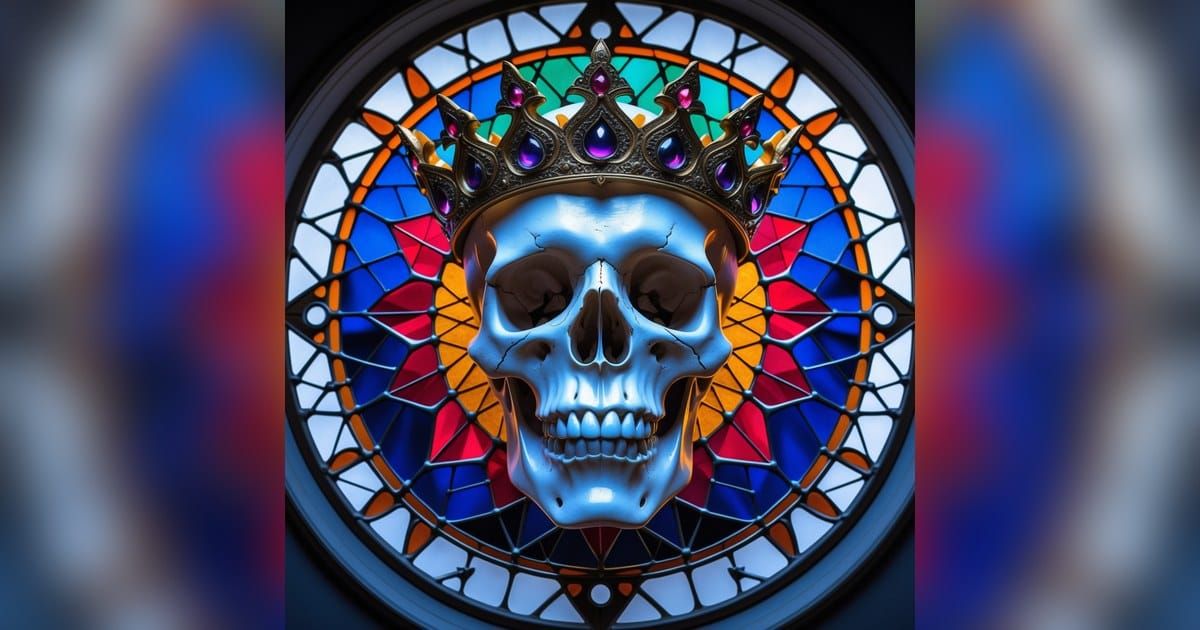
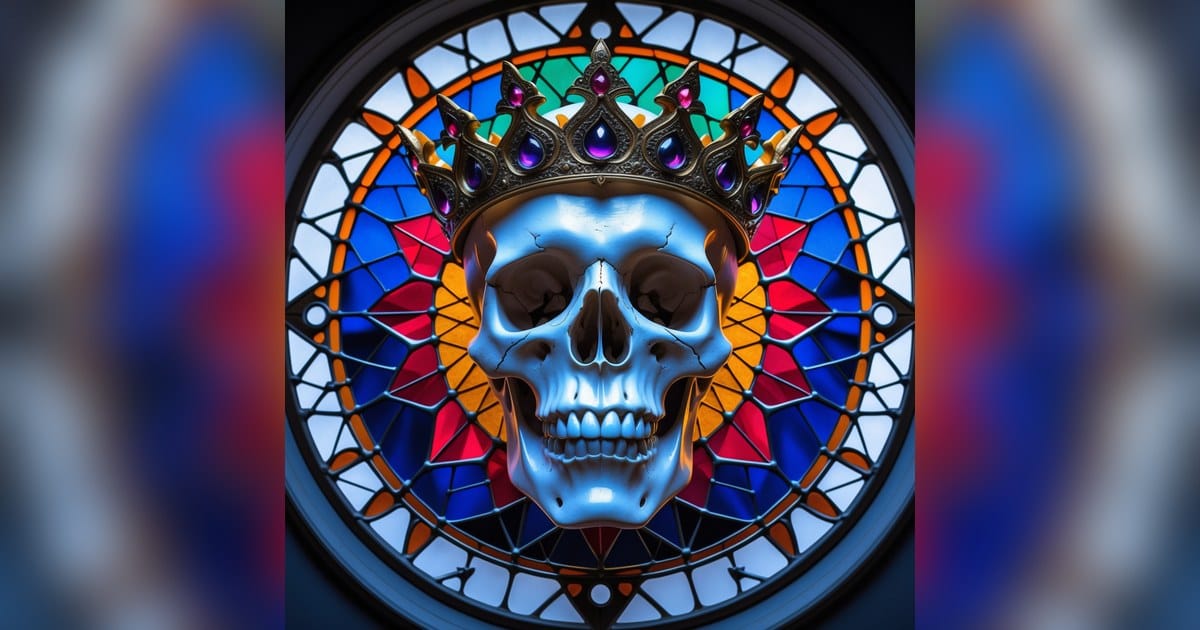
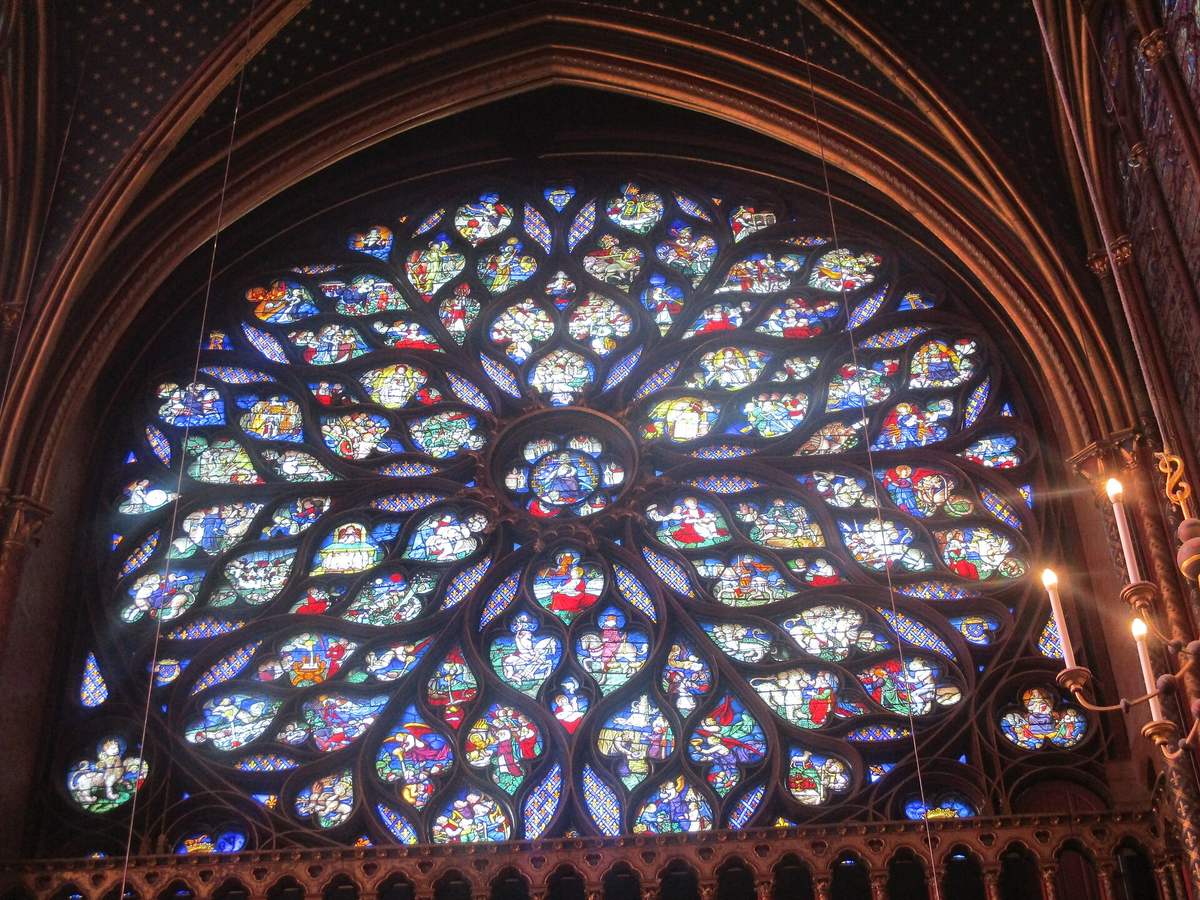
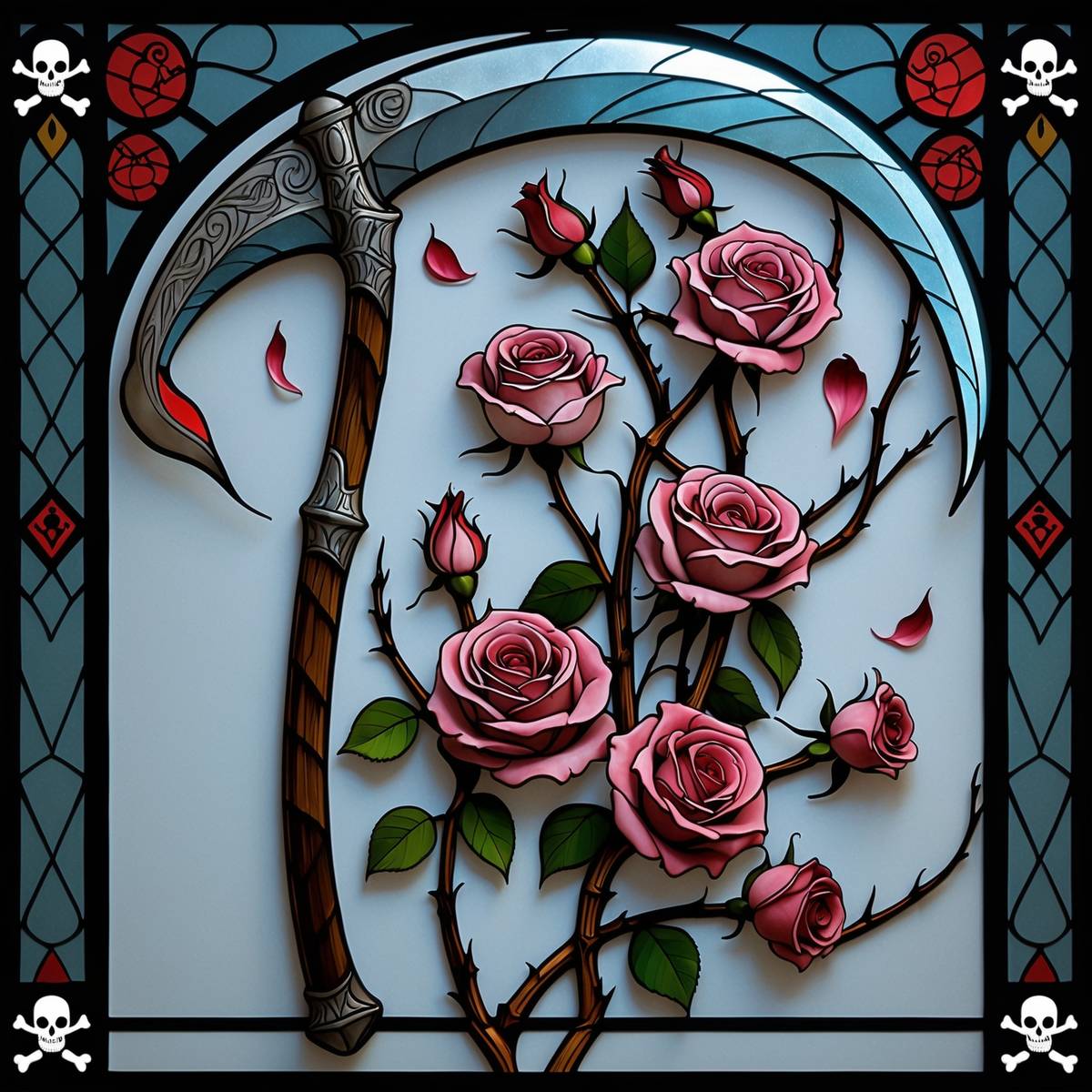
Behind all of that sits the literary side, which had a fifty year head start. The Gothic novel, beginning with Walpole in 1764, established the grammar the clothes later borrowed: the ruin, the locked room, the beautiful thing that is also a warning. Gothic architecture handed over the rest. Pointed arches, tracery, and the rose window are the reason so much of this artwork resolves into circles and symmetry.
How to style the dark romantic aesthetic: five decisions
Here is the practical part. Most failed attempts at this look are not failures of taste, they are failures of sequencing. Make these five calls in order and the outfit tends to assemble itself.
1. Pick one texture to carry the look. Velvet, lace, leather, or heavy matte cotton. One of them leads and the others support. A velvet skirt with a lace top and a leather jacket is three lead voices arguing. A velvet skirt with a plain matte knit and one lace detail at the cuff is a sentence.
2. Choose your century. Victorian means high neck, long sleeve, fitted through the ribcage. Regency means empire waist and a lot of falling fabric. Nineties means a slip dress and boots. Mixing two is fine, mixing three is where costume starts.
3. Use two blacks and one bruise. A pure black and a faded or brown black next to each other create the depth the Victorians got from crape and jet. Then add exactly one non-black: oxblood, plum, moss, or a bone white. If you have looked at the way we mapped gemstone colour to meaning, the same restraint applies. One accent reads as intent, three read as indecision.
4. Let one piece be structured and everything else fall. A corset, a sharp shoulder, a stiff collar, a cinched belt. One rigid element against soft drape is the entire silhouette trick, and it is the thing Ann Demeulemeester has been doing for decades. Two rigid elements and you are wearing armour. None, and the outfit reads as pyjamas in a sad colour.
5. Commit to a single symbol. A moth, a serpent, an hourglass, a hand. Repeating one motif across a look is elegant. Wearing a skull ring, a bat necklace, a spider brooch, and a coffin bag is a theme park.
The symbols do most of the emotional work
This is the part that most style guides skip, and it is the part that makes the difference between a black outfit and a dark romantic one. Every motif in this vocabulary is a compressed argument about time.
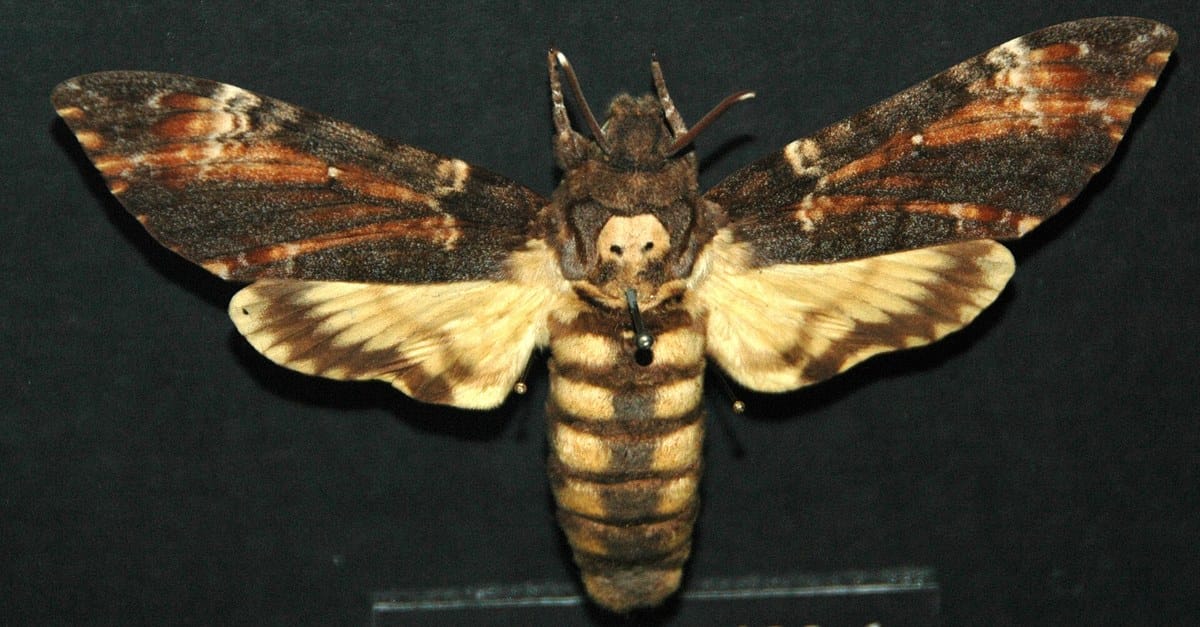
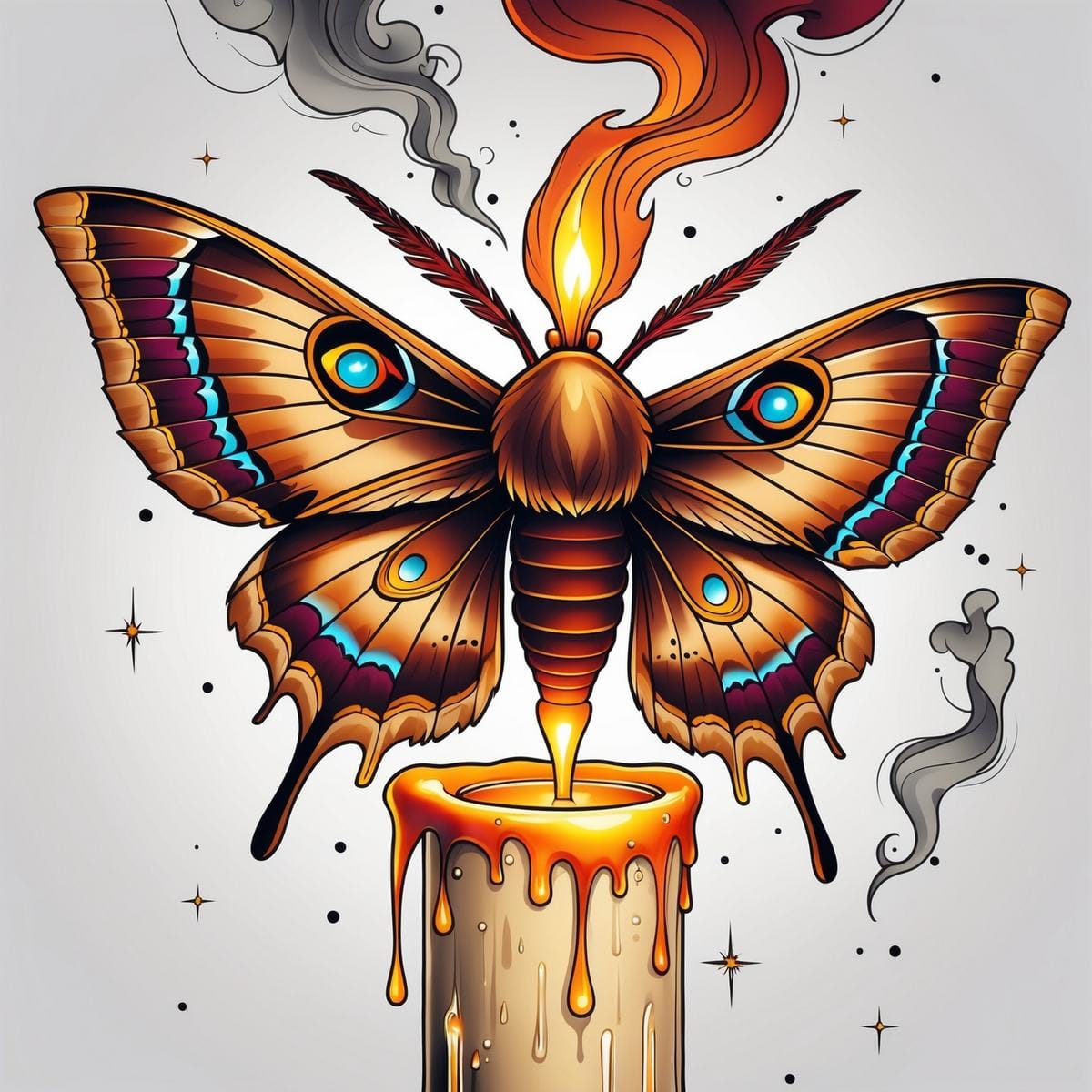
Take the moth. The death's-head hawkmoth carries a skull-shaped marking on its thorax, which is a genuine accident of pigmentation that human beings have been reading as an omen since at least the eighteenth century. The moth also flies toward the flame that kills it. That is the whole thesis of the aesthetic in one insect: attraction and destruction as the same motion.
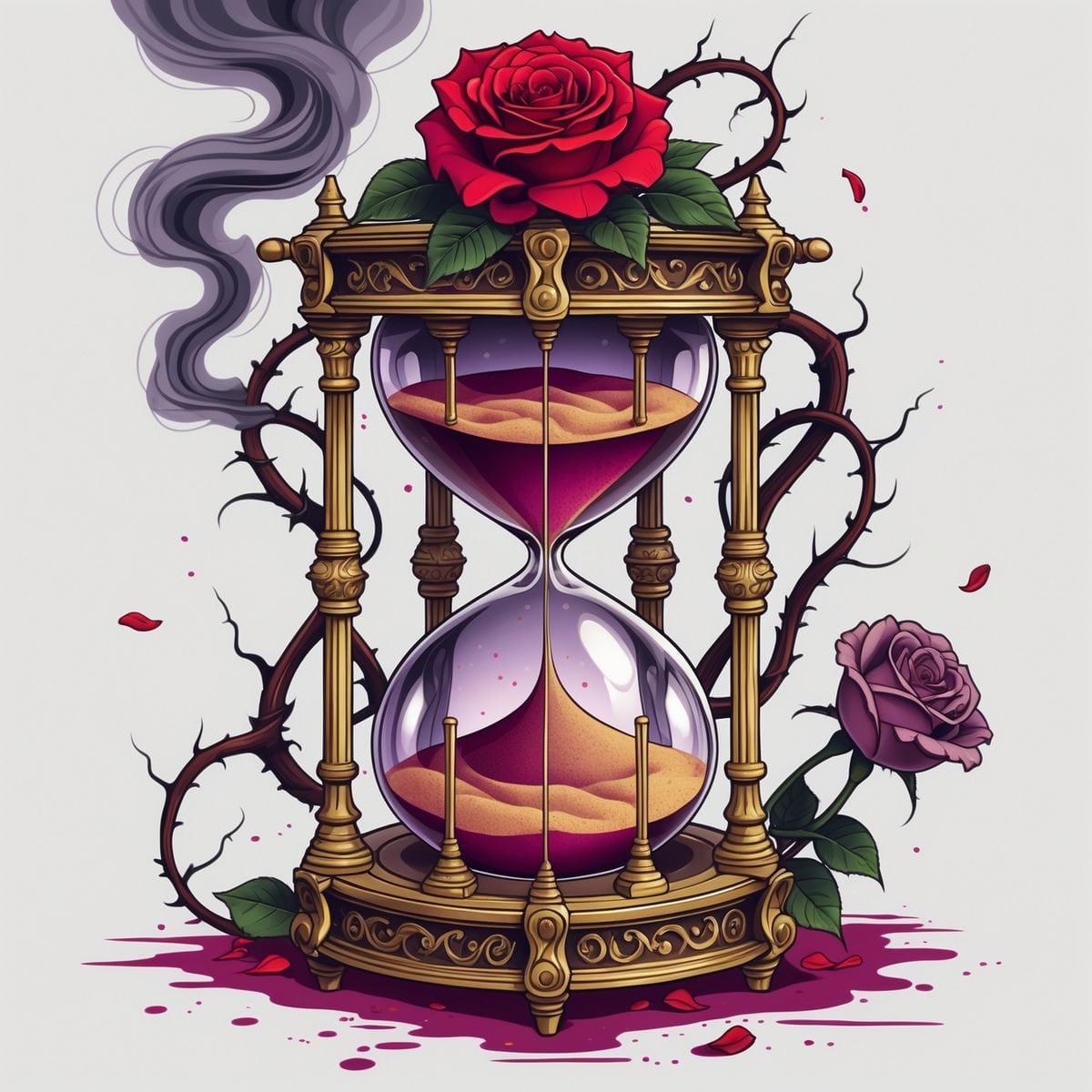
The hourglass does something similar with less poetry and more bluntness. Sand running out, roses wilting on the frame, thorns growing around it. This is straight memento mori, the same instruction painted into Dutch still lifes for two hundred years: you are going to die, so pay attention now. Worn on a Tuesday it reads less like doom and more like a reminder to stop scrolling.
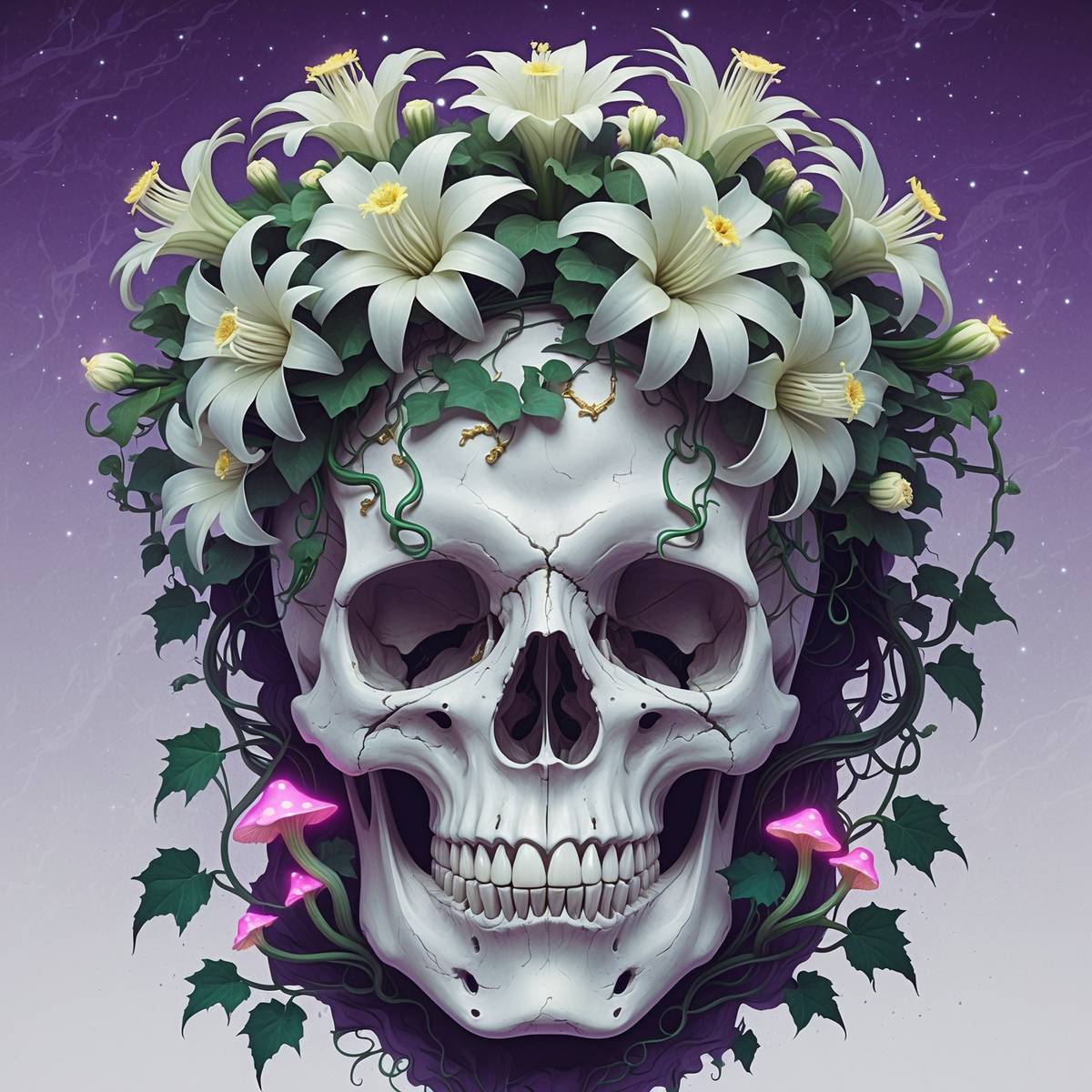
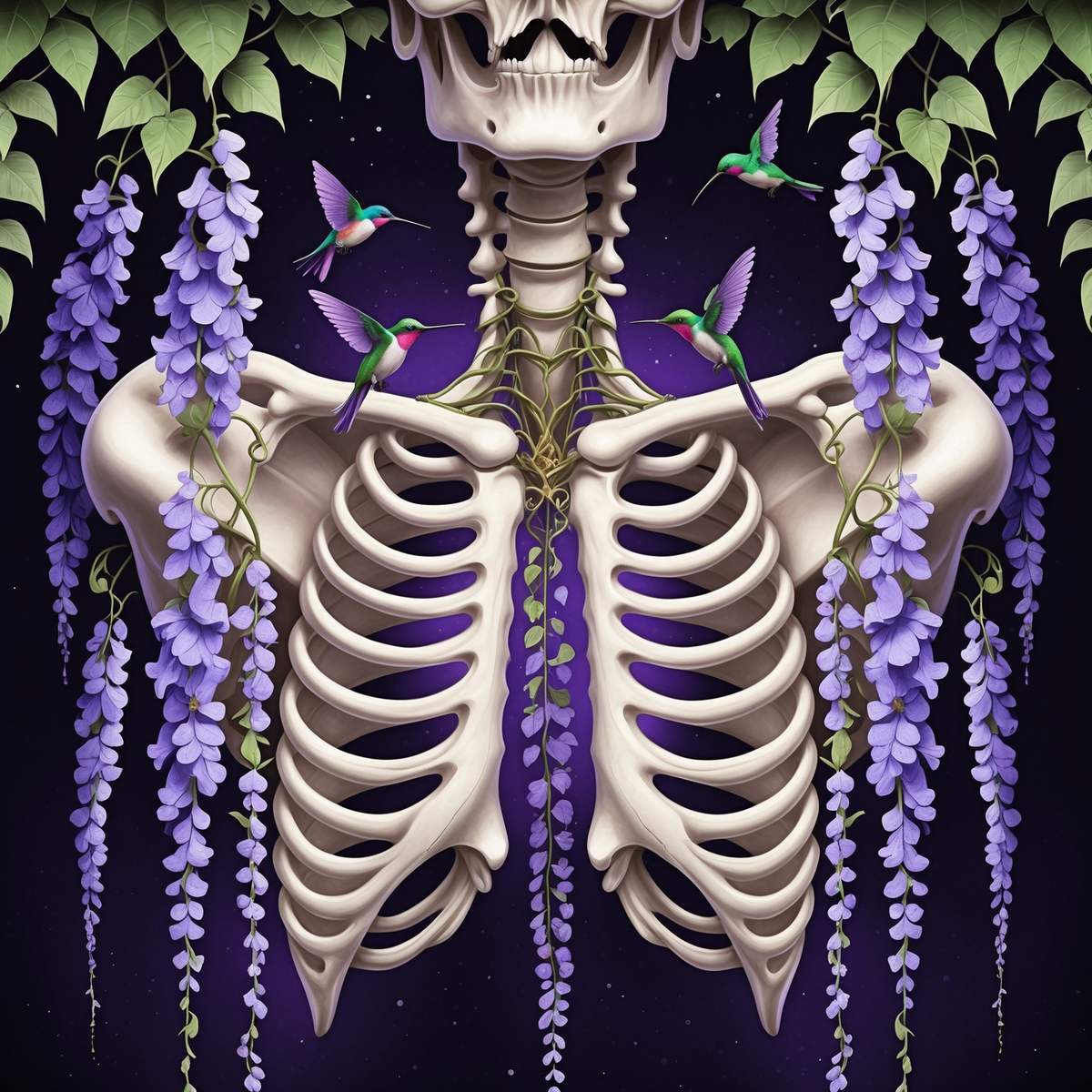
Then there is the botanical strand, which is where this aesthetic gets genuinely tender. Bones with wisteria falling through them, a ribcage full of flowers, roots where the veins should be. It is the same idea as the moth reframed as growth rather than loss. Something ends, something feeds on it, the garden keeps going. When we compared the nature-facing aesthetics earlier this year, this was the line that separated the cheerful ones from the ones with teeth.
Where people get it wrong
Four failure modes, in rough order of how often I see them.
Everything matte. A head-to-toe matte black outfit photographs as a silhouette and reads as flat in person. The Victorians solved this a hundred and sixty years ago by putting polish next to dullness. Add one glossy surface: patent leather, satin, a lacquered nail, wet-look hair.
Too much narrative. If someone can describe your outfit as a character, you have gone too far. The goal is a person who happens to look like this, not a person dressed as someone who looks like this.
Symbols with no weight. Mass-produced skull print on a cheap poly blend does not carry the same signal as one considered piece. This aesthetic depends on looking deliberate, and fabric quality is most of that read.
Treating it as seasonal. There is a temptation to file this under October and put it away. The runway version is being shown for fall and resort both, and the actual appeal has nothing to do with Halloween. PAPER made the case that the romantic gothic mood has become a year-round position in fashion and film rather than a costume window.
Frequently asked questions
Is dark romantic the same as vamp romantic?
Close enough in practice. Vamp romantic usually describes the beauty side of it: kohl smudged rather than drawn, glossy black nails, a deep berry lip. Dark romantic covers the clothes and the wider mood.
Do I need to wear all black?
No, and the strongest versions do not. Oxblood, plum, forest, and bone all belong. Black is the base note, not the entire chord.
Can this work in a normal office?
Yes, if you keep the silhouette clean. A high-neck black knit, a long dark skirt, one silver ring, and a matte lip is dark romantic and also completely unremarkable in a meeting. The aesthetic is more about restraint than about spikes.
What separates it from dark academia?
Dark academia is about institutions, ambition, and the anxiety of being measured. Dark romantic is about mortality, desire, and being unobserved. Tweed versus velvet, essentially. We went through the adjacent mood in our piece on liminal and dreamcore imagery, which shares the loneliness but none of the ornament.
If the symbols are the part that hooked you
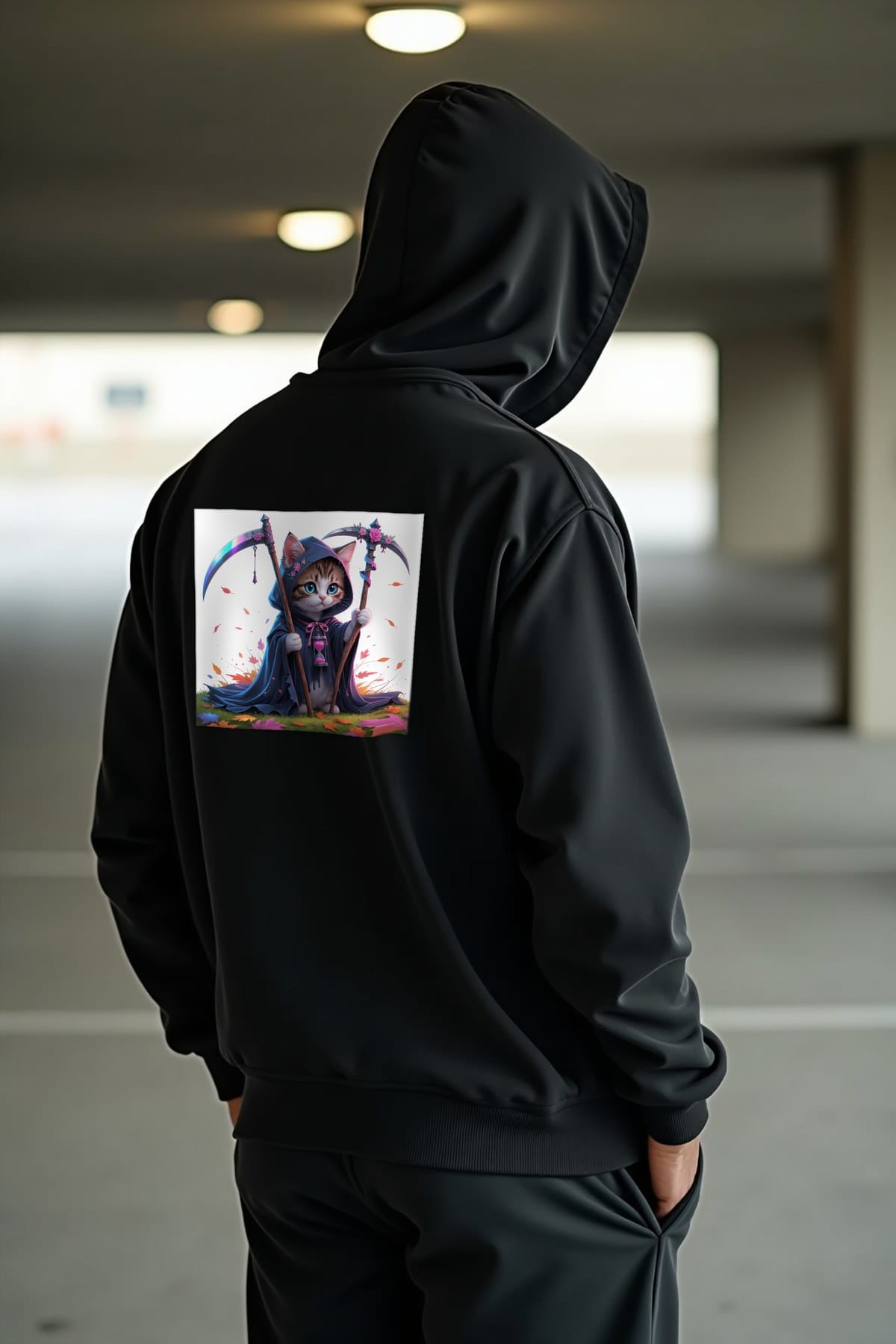
Our Haunt Couture collection sits at the friendlier end of this register: gargoyles, ghost cats, a grim reaper kitten, drawn with the gothic vocabulary but a lighter hand. It is the version of this aesthetic that works on a hoodie rather than a corset, and it pairs well with the restraint rules above, since one graphic piece against plain black is exactly the structure we described. If the more severe illustrations in this article are closer to your taste, those live in the studio archive and tend to surface in later drops.
See the Haunt Couture collection
🎨 Original designs featured in this article are AI-generated and curated by The Design Drop. External photographs and illustrations are credited individually where used.
Love what you see?
Get free designs, exclusive deals & curated gift guides every week.
Subscribe to The Design Drop - it's free!