
The Poetcore Aesthetic: A Slow Style Guide to 2026's Most Literary Look
The poetcore aesthetic is 2026's soft literary look. A slow guide to the wardrobe, palette and letter-writing ritual behind it.

By Dave Dion-Labrecque - Updated July 2026 - 7 min read
There is a shoebox on the top shelf of my studio closet that has followed me through four apartments. It holds birthday notes from my grandmother in looping cursive, a postcard a friend mailed from a train somewhere in Portugal, and the first thing my partner ever wrote me. I have never managed to throw it out. This year I finally understood why. The wider culture caught up to that shoebox. Poetcore, the soft literary look Pinterest named one of its defining aesthetics for 2026, is really about the feeling of keeping things that were written by hand.
We have spent about six months designing around this mood in our studio, and the longer we sat with it, the clearer one thing became: poetcore is less a dress code than a way of paying attention. So this is a style guide, but a slow one. It covers what to wear, yes, and also the small rituals that make the clothes mean something.
So what is poetcore, really?
At its simplest, the poetcore aesthetic is about dressing and living like the main character of a beautifully written novel. Quiet cafes, well-worn paperbacks, a notebook that goes everywhere, a walk through a park in the wrong month for it. Pinterest reported the "poet aesthetic" climbing roughly 175 percent heading into 2026, and its trend team has a habit of being right (they cite an 88 percent accuracy rate over six years). You can read their full write-up on the Pinterest Predicts trend hub.
The look borrows heavily from the pre-internet writer figure: the candlelit desk, the ink-stained hand, the idea that an inner life is worth decorating. Its deepest roots reach back to the Romantic movement of the late 1700s and early 1800s, when poets like Keats, Byron, and later Dickinson turned private feeling into the whole point of art. If you want to feel the source material rather than read about it, an afternoon in the archives at the Poetry Foundation does more than any mood board. Poetcore takes that sensibility and softens it into something you can wear on a Tuesday.
Building the wardrobe, one layer at a time
The anchor piece is what I think of as the writer's shirt: an oversized linen or cotton button-down with billowy sleeves and a soft, slightly rumpled texture, the kind that looks gently worn through several seasons. From there the aesthetic layers slowly. Vintage blazers, chunky cardigans, V-neck sweaters, a pencil skirt or a floaty midi, and a messenger satchel that looks like it has carried a manuscript or two.
The trick that keeps poetcore from tipping into costume is contrast. Pair a soft knit with tailored trousers. Ground a floaty skirt with sturdy boots. Let a structured blazer sit over something delicate underneath. The goal is to look effortlessly assembled rather than styled within an inch of your life. And if you want the single accessory that signals the whole mood, it is not a bag or a shoe. It is a fountain pen tucked visibly into a pocket.

A few finishing notes on accessories, since poetcore lives in them. Footwear stays grounded and a little worn: loafers, Mary Janes, or ankle boots rather than anything glossy or new. Jewelry leans antique and sentimental, the brooch and the locket over the statement piece, which lines up neatly with the return of brooches that Pinterest flagged for 2026. Hair is undone on purpose, a low bun with pieces falling loose, as if you stopped mid-thought to write something down. None of this needs to be expensive. Most of my favorite poetcore pieces came from a grandmother's drawer or a Sunday spent in a thrift store with no list.
The palette and the hand of the fabric
Color is where poetcore announces itself quietly. The palette runs soft and a little faded: cream, ecru, dusty rose, sage, muted gold, and faded burgundy, usually grounded by charcoal or black. Nothing here is loud. Everything looks like it has been sitting in good light for a while.
Fabric matters as much as color, maybe more. Reach for linen, cotton voile, silk, and anything with a soft draping quality. The romance lives in the details: a lace collar, a ruffled cuff, a delicate touch layered against the more rigid staples. This is an aesthetic built on texture rather than logos, which is part of why it reads as personal instead of purchased. When I get dressed in this register, I am not asking whether pieces match. I am asking whether they feel like they belong to the same person's story.
Poetcore is not dark academia (or cottagecore)
People keep filing poetcore next to its neighbors, and the differences are worth naming because they change how you build the look. Dark academia is all sharp structure: tweed, institutions, ambition, a certain gothic seriousness. Cottagecore lives in the countryside, closer to baking bread and picking wildflowers than to writing sonnets. We traced that rural strand and its newer offshoots in our piece on how nature's role in fashion keeps shifting.
Poetcore sits between and slightly apart from both. It is the softer, moodier, more interior sibling: less "picking wildflowers," more "staring out a rain-streaked window while a poem refuses to finish itself." If dark academia wants to pass the exam and cottagecore wants to leave the city, poetcore just wants to feel something and write it down. That emotional register connects it to a whole family of introspective looks we have covered, from the meaning-hungry world of crystalcore to the hazy nostalgia of dreamcore and liminal spaces.
The part that happens off the body
Here is what most shopping guides miss. Poetcore is not really a wardrobe. It is a wardrobe attached to a practice, and the practice is correspondence. The same cultural current lifting the clothes is driving what people have started calling the letter-writing renaissance, and the numbers are not subtle. Heading into 2026, Pinterest logged searches for cute stamps up around 105 percent, snail-mail gifts up roughly 110 percent, handwritten letters up about 45 percent, and pen pals up 35 percent. The fashion writers at nss magazine put it well: this is a generation romanticizing its own inner life on purpose.
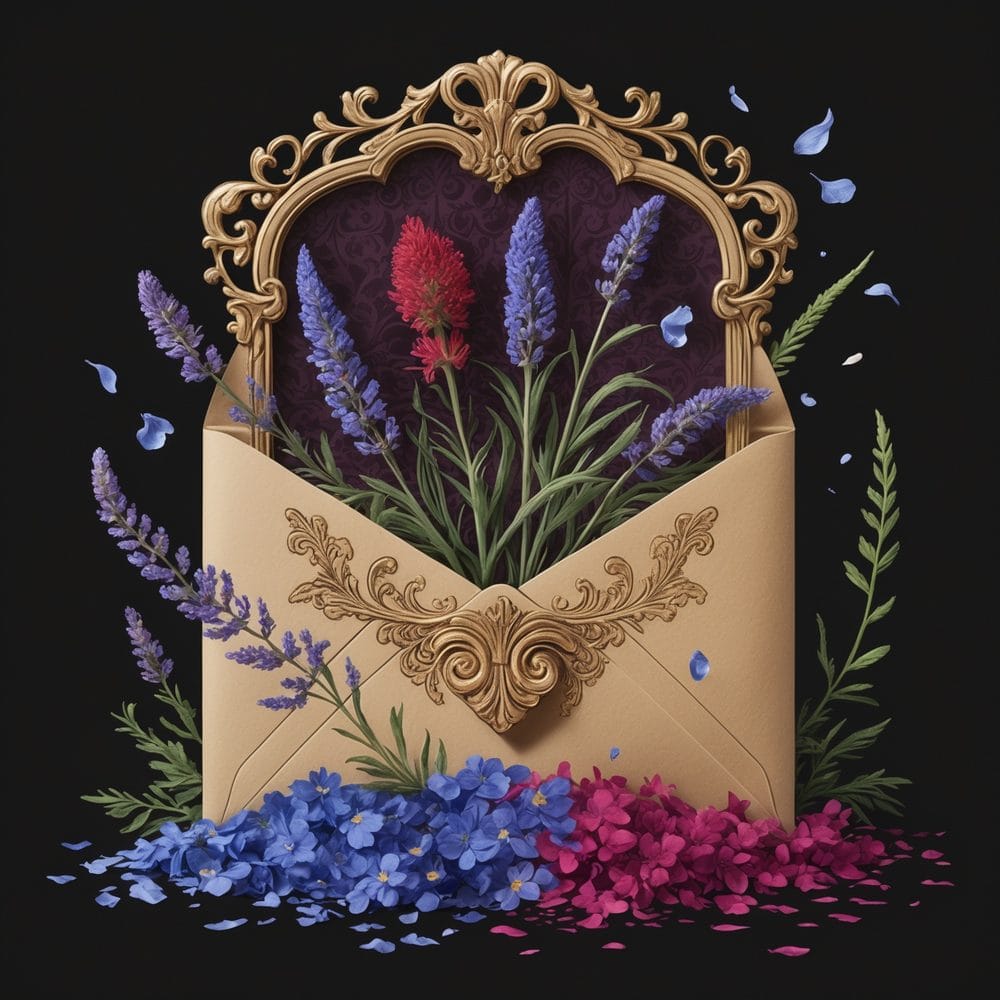
You can dress poetcore from the outside in, but it lands better from the inside out. Keep a real desk, even a small one. Buy a book of stamps you actually like. Write one letter this week to someone who would be surprised to receive it, seal it, and walk it to a mailbox. The wax seal, the fountain pen, the pressed flower slipped inside the envelope: these are not props for a photo. They are the reasons the aesthetic has staying power. Clothes that come with a ritual tend to outlast the trend cycle that produced them.
How to start this week
You do not need a new closet. Pull the softest neutral shirt you own, roll the sleeves, and add one thing with a little age to it: a vintage blazer, a lace collar, a pocket watch that belonged to someone. Trade one screen habit for one page in a notebook. Then write the letter. Poetcore rewards the small, deliberate gesture over the big purchase, which is a rare and welcome thing in a trend.

A note from the studio
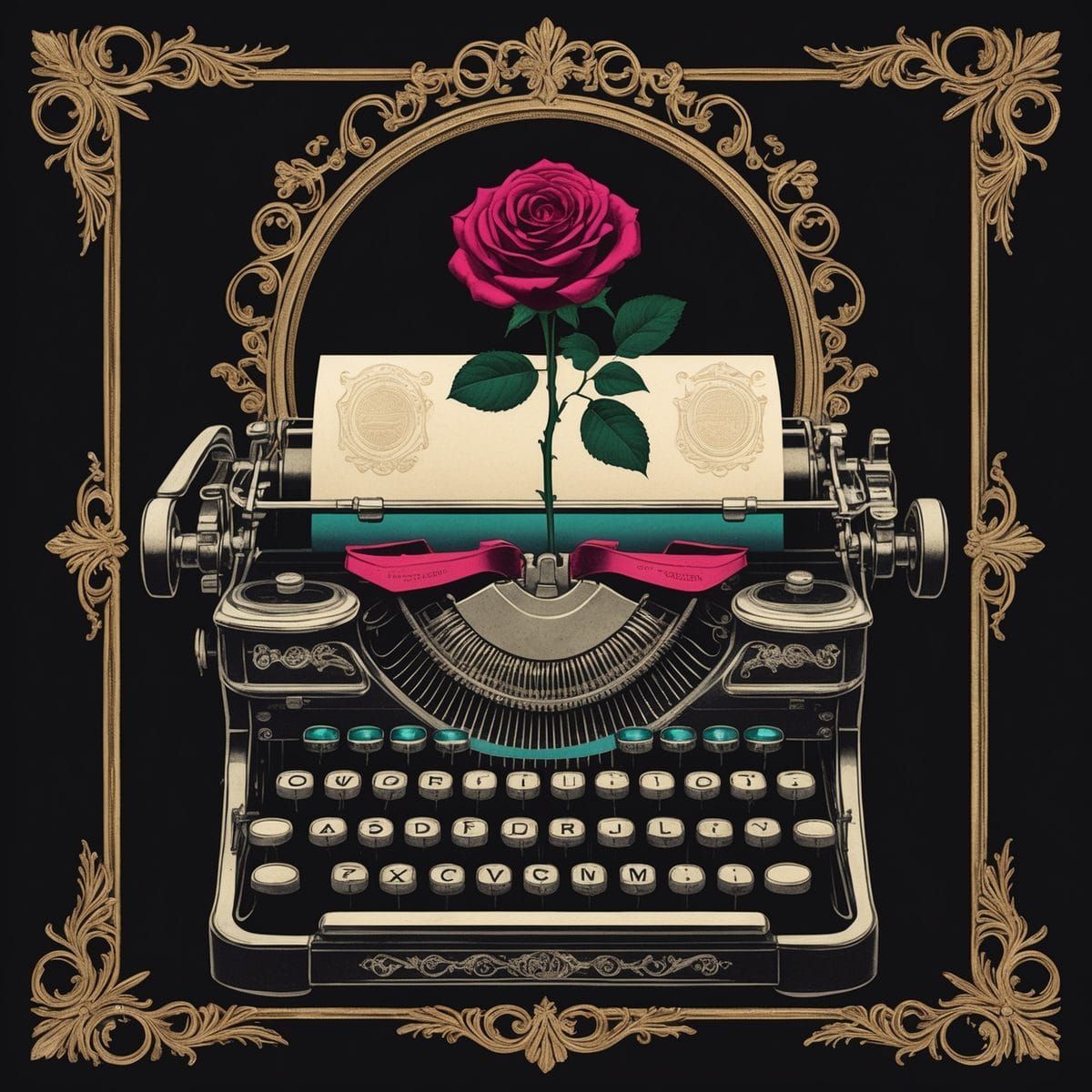
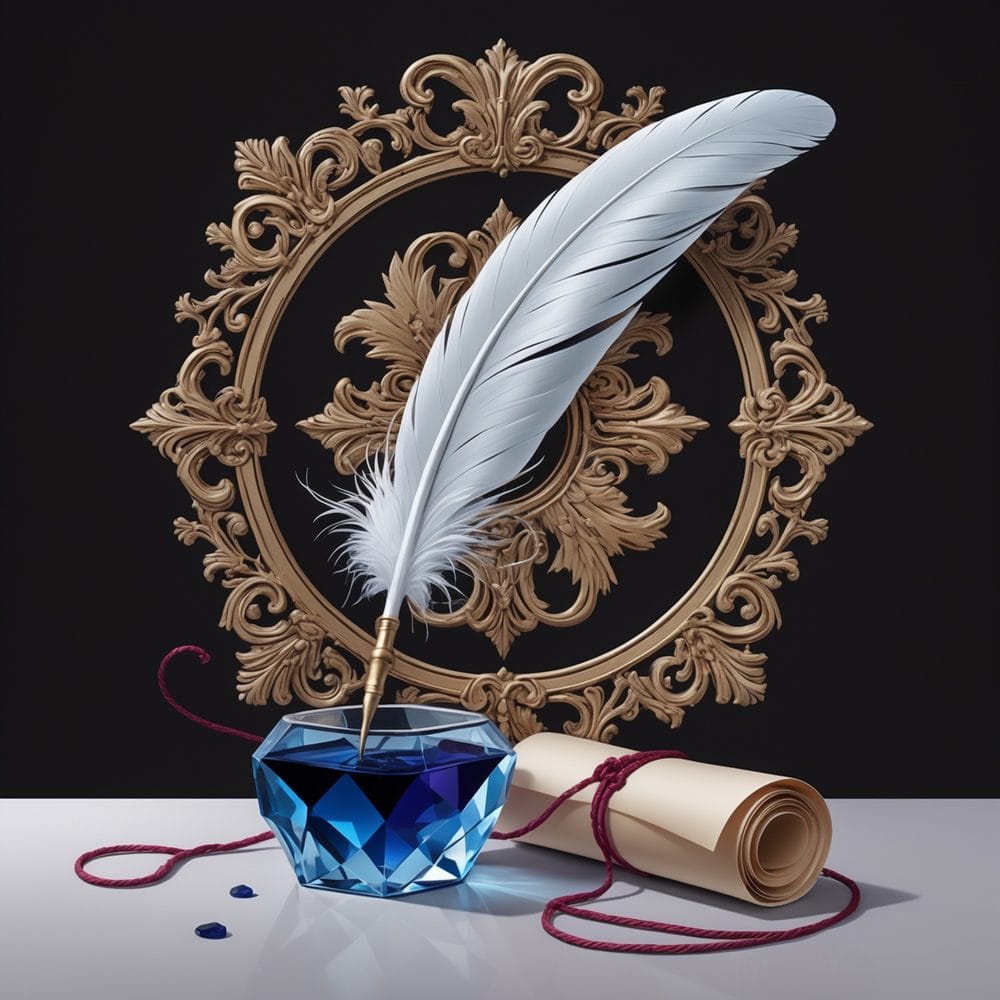
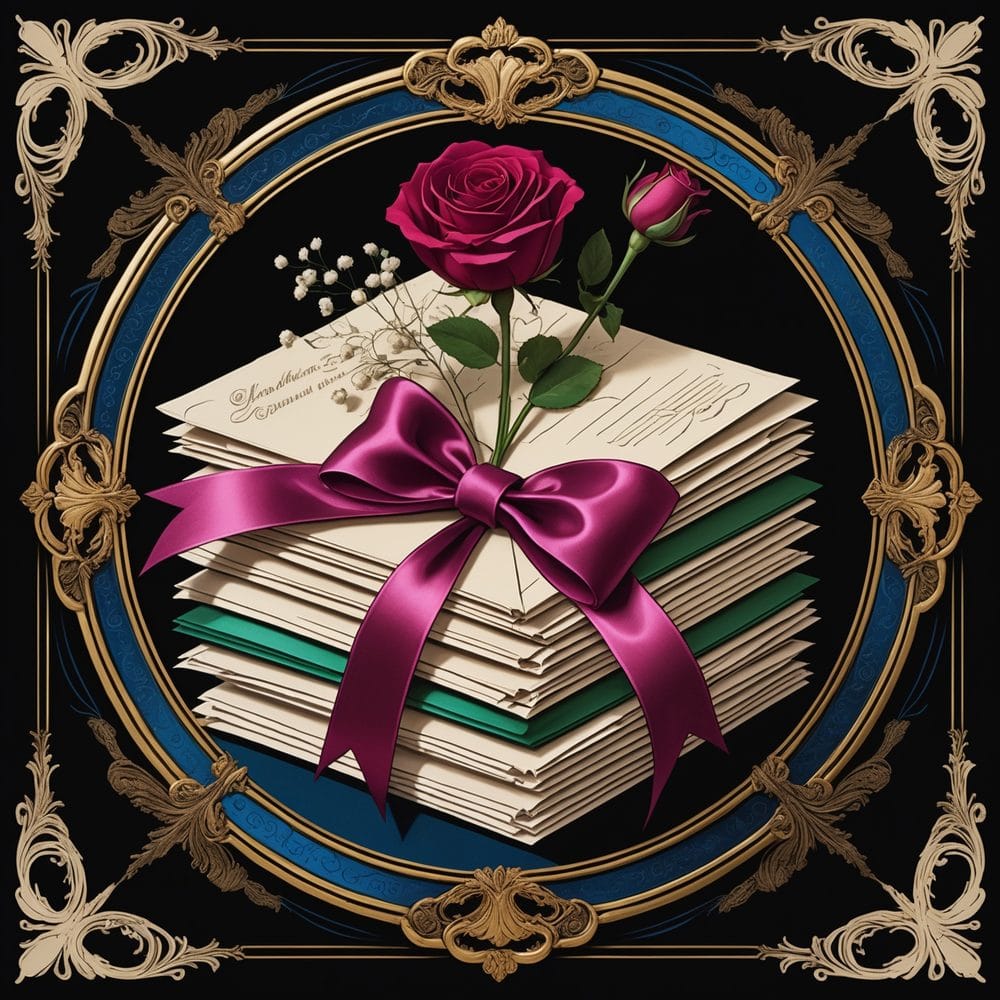
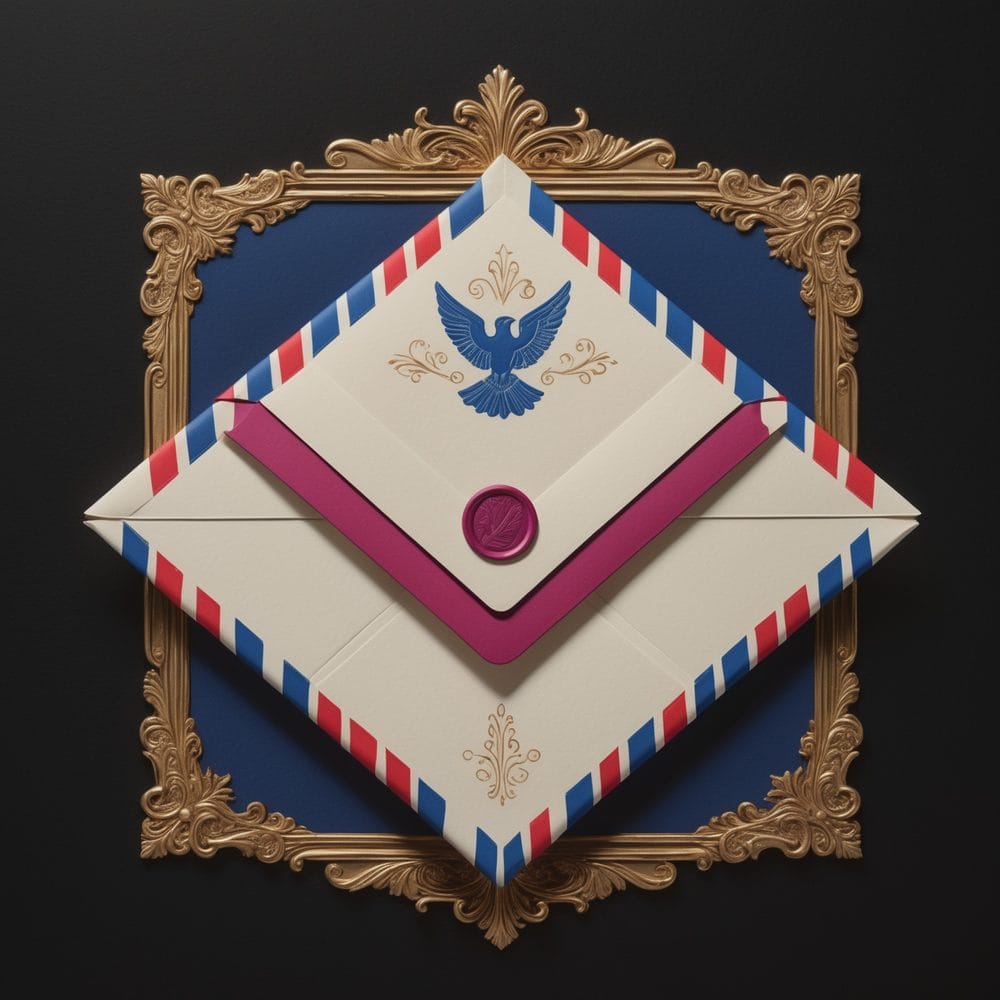
When we started sketching our Dead Letter Club collection, we were chasing exactly this feeling: not the outfit, but the shoebox. The designs are engraved postal emblems rendered in gold and jewel ink on black and charcoal: a wax seal, a fountain pen nib, an air-mail envelope, a bundle of letters tied with string. We kept them wordless on purpose, so they read as small monuments to the handwritten thing rather than slogans about it. If the mood in this piece is one you want to carry around, you can wander through the collection and see which emblem feels like your story.
Poetcore FAQ
Is poetcore the same as dark academia?
No. Dark academia leans structured, institutional, and gothic (tweed, libraries, ambition). Poetcore is softer, moodier, and more interior, built around romance, correspondence, and the writer's private world rather than the classroom.
What colors define the poetcore aesthetic?
A muted, faded palette: cream, ecru, dusty rose, sage, muted gold, and faded burgundy, usually grounded by charcoal or black. Texture matters as much as color, so linen, silk, voile, and lace do a lot of the work.
How do I start dressing poetcore on a budget?
Start with what you own. An oversized neutral button-down, rolled sleeves, and one aged accessory (a vintage blazer, a lace collar, a fountain pen) get you most of the way there. Then adopt the ritual: keep a notebook and write a real letter. The practice costs almost nothing and carries the whole look.
🎨 Original designs featured in this article are AI-generated and curated by The Design Drop. External photographs and illustrations are credited individually where used.
Love what you see?
Get free designs, exclusive deals & curated gift guides every week.
Subscribe to The Design Drop - it's free!