
The Dreamcore Aesthetic in 2026: Why Empty Malls and Dead Websites Feel Like Home

By Dave Dion-Labrecque - Updated May 2026 - 7 min read
The first time one of our own designs genuinely unsettled me, it was past three in the morning. I was staring at a render of a marble cherub levitating over a cracked mall fountain, ringed by floating browser windows that nobody had clicked in twenty years. It looked like a memory I did not actually have. That specific ache, the feeling of recognizing a place you have never been, is the whole engine behind the dreamcore aesthetic, and in 2026 it has quietly become one of the most fluent visual languages on the internet.
We have spent most of this spring chasing it: through Pinterest boards, through the kind of TikTok rabbit holes that only open after midnight, through the comment sections where teenagers describe an empty parking garage as "comforting" and mean it. The pull keeps showing up in the moodboards crossing our studio. So we sat down to figure out why empty rooms and dead websites feel like home to an entire generation. Here is what we found.

Dreamcore, Weirdcore, Liminal: sorting out the family tree
People use these words interchangeably, and they are related, but they are not the same thing. Weirdcore is the oldest of the three. As the encyclopedic overview of internet aesthetics puts it, weirdcore emerged in the late 2010s out of early-internet nostalgia blended with surreal, unsettling, dreamlike visuals: distorted VHS glitches, low-resolution photos, eerie captions that feel like they are addressed to you personally.
Dreamcore is its softer sibling. It keeps the surrealism but trades dread for a hazy, almost narcotic calm. Nylon described it well when it called the look something that "sends chills down your spine as you have trouble grasping what's real," closer to the unease of a David Lynch film than to outright horror. And underneath both sits the liminal space: the actual setting, the stage on which dreamcore and weirdcore perform.
If you have followed our writing on how aesthetics keep reorganizing themselves, this will feel familiar. We watched the same kind of split happen last year between two earth-toned movements in our piece on how nature's role in fashion shifted from cottagecore to wilderkind. Aesthetics rarely die. They mutate, and the mutation usually tells you what people are anxious about.
Why an empty hallway feels like a held breath
Start with the room itself. A liminal space, per the reference entry on the liminal aesthetic, is a transitional place: somewhere built to be passed through rather than lingered in. A school corridor in July. An airport at 4 a.m. A carpeted hotel hallway that goes on a little too long. The defining trick is absence. Strip the people out of a space designed for crowds and the architecture starts to feel like it is waiting for something.
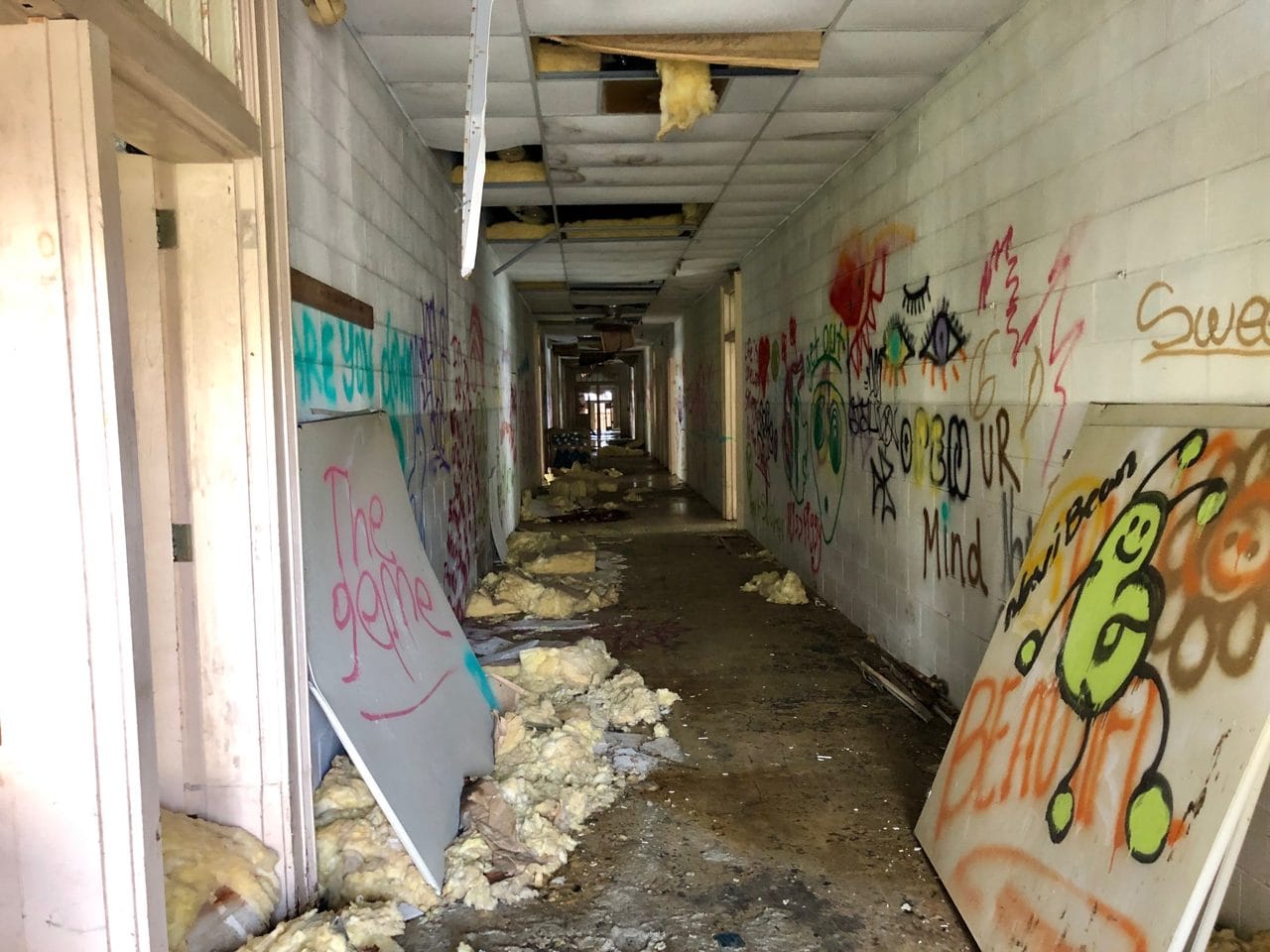
The dead shopping mall has become the patron saint of the whole movement, and it is not hard to see why. Malls were engineered as temples of presence, all foot traffic and fountains and food-court noise. When that noise drains out, what is left reads as uncanny precisely because we have so many warm associations stacked against the silence. Half of the most-shared liminal photographs online are some variation of a mall after closing, the escalators still running for nobody.
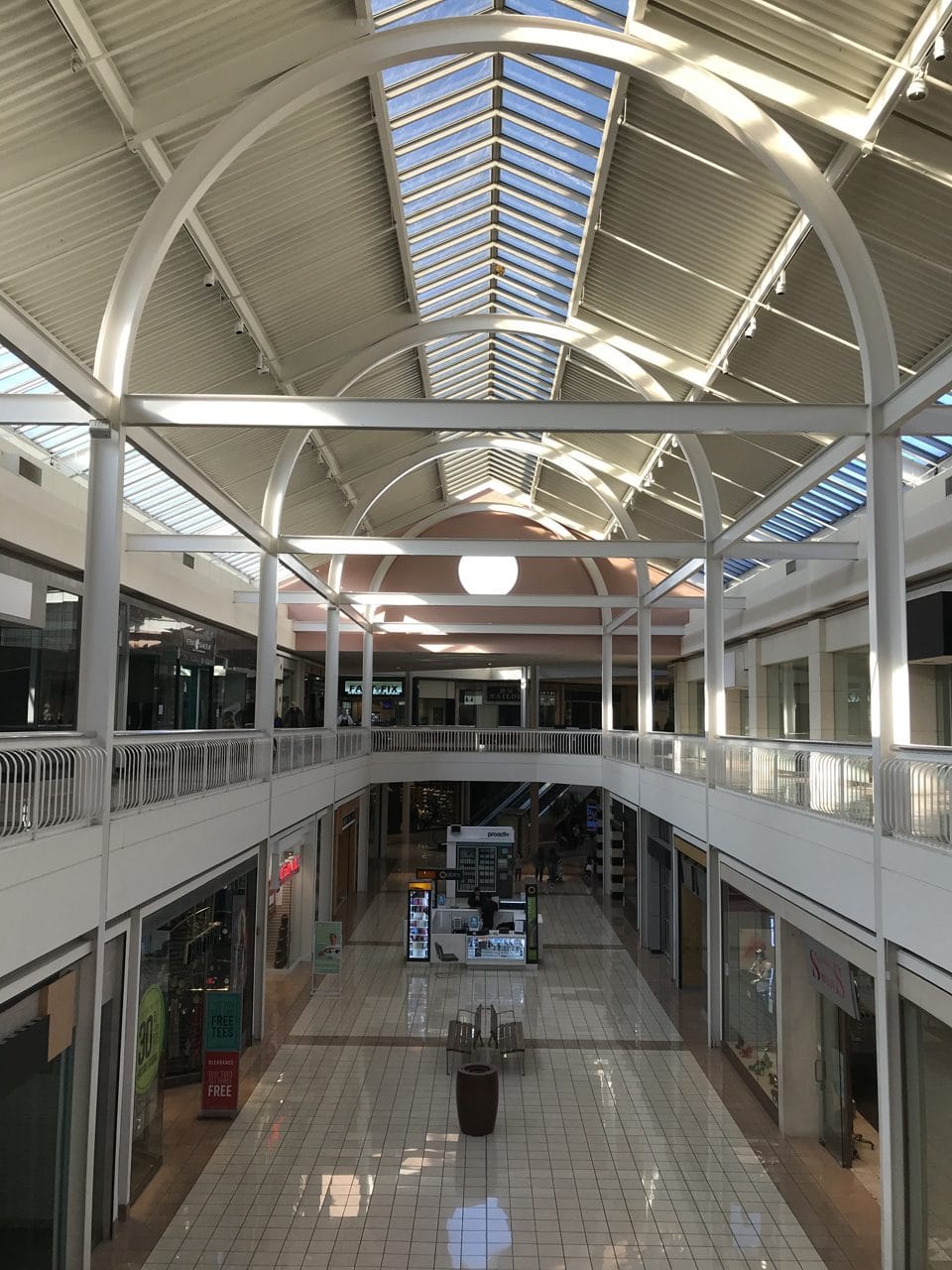
What makes these images sting is not that they are scary. It is that they are tender. You are looking at the ghost of a place where something was supposed to be happening, and the absence has a texture you almost recognize from your own life.
The cult of the half-remembered digital relic
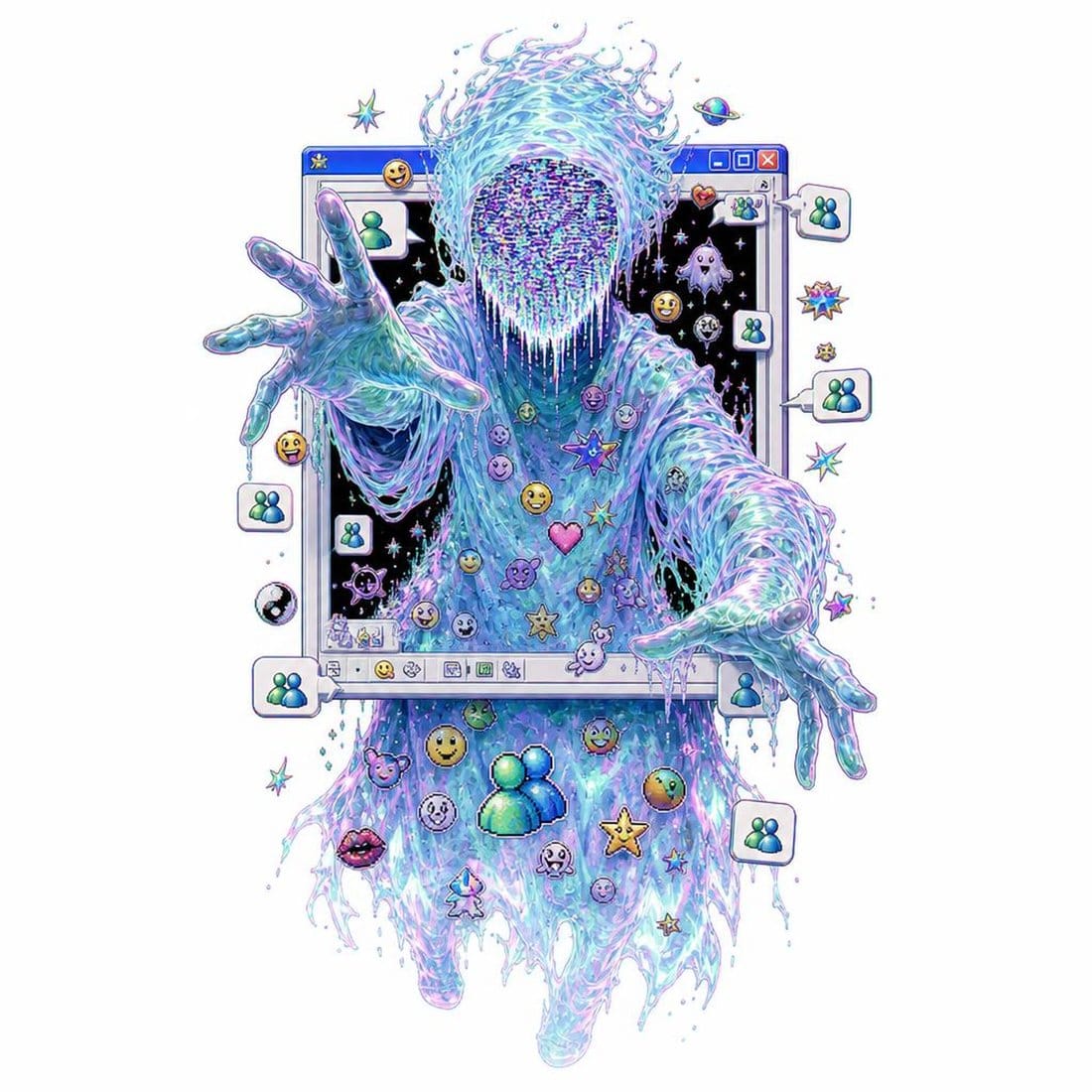
Here is where 2026 has added its own twist. The newest wave of dreamcore is not only nostalgic for physical places. It is nostalgic for software. The trend rewards specificity, and the most potent references are the small, weird, half-corrupted relics of the late-1990s and early-2000s internet: the spinning Windows hourglass, the MSN Messenger window with its little buddy icons, the bouncing DVD logo that everyone in a certain age bracket once watched, hypnotized, hoping it would hit the corner.

In our studio we keep coming back to one idea: these objects work as belonging signals. A graphic that references a specific 2003 chat-window detail is not trying to be legible to everyone. It is a quiet handshake. If you get it, you were there, or you wish you had been. That "specific references not everyone understands" energy is doing a lot of cultural work right now, and it is exactly why the imagery has migrated from passive screenshots into things people actively make.
The melancholy is structural, too. Every one of these references points at a piece of technology that has been switched off forever. MSN Messenger is gone. The DVD logo lives only in jokes now. There is grief baked into the joke, which is the whole reason the imagery resonates instead of just amusing.
The comfort of being a little bit lost
So why does any of this feel good? The honest answer is that it does not feel purely good, and that is the point. Psychologists who study nostalgia have spent two decades pushing back on the old idea that it is just sentimental mush. In a recent synthesis of the field, researchers Constantine Sedikides and Tim Wildschut argue that nostalgia functions as a kind of psychological regulator, something the mind reaches for in response to threat, loneliness, or uncertainty, and which tends to leave us feeling more connected and more like ourselves afterward.
That reframing explains a lot about dreamcore. A generation that came of age inside compounding uncertainty is not scrolling empty rooms because it is morbid. It is self-soothing with a very particular flavor of memory: bittersweet, slightly eerie, but anchored to a time that, in hindsight, felt safer. The unease is not a bug. It is the cost of admission to the comfort underneath.
There is also something almost rebellious in it. As the analog-revival mood of 2026 makes plain, a lot of young people are deliberately reaching back toward low-resolution, hand-built, gloriously imperfect imagery as a counterweight to a feed that feels too smooth, too optimized, too synthetic. Choosing the glitch is a small act of resistance. We noticed the same instinct when we wrote about why designers keep returning to the strange, self-illuminating imagery of the deep sea: people gravitate toward the beauty that refuses to be tidy.
When the screen becomes a garment
The natural endpoint of an aesthetic this emotionally loaded is that people want to wear it. A moodboard is private. A graphic on your chest is a flag. When you put a corrupted desktop icon or a haunted arcade cabinet on a shirt, you are doing the same thing the imagery already does online, just with your own body as the screen. The half-remembered relic becomes a wearable in-joke, legible only to the people who were there.
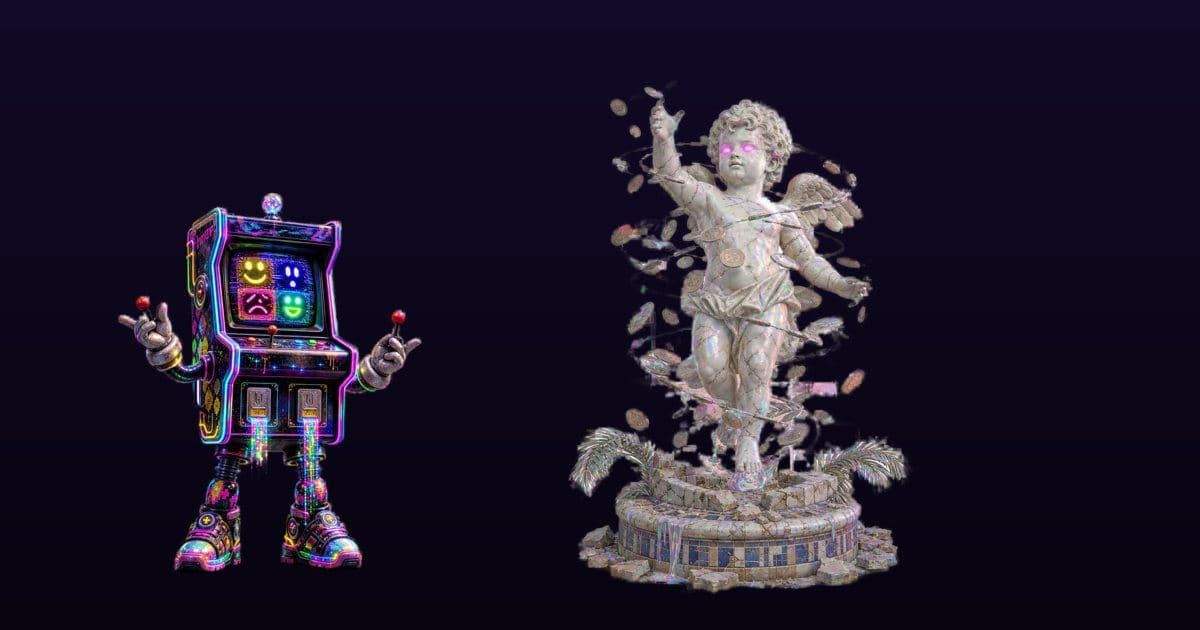
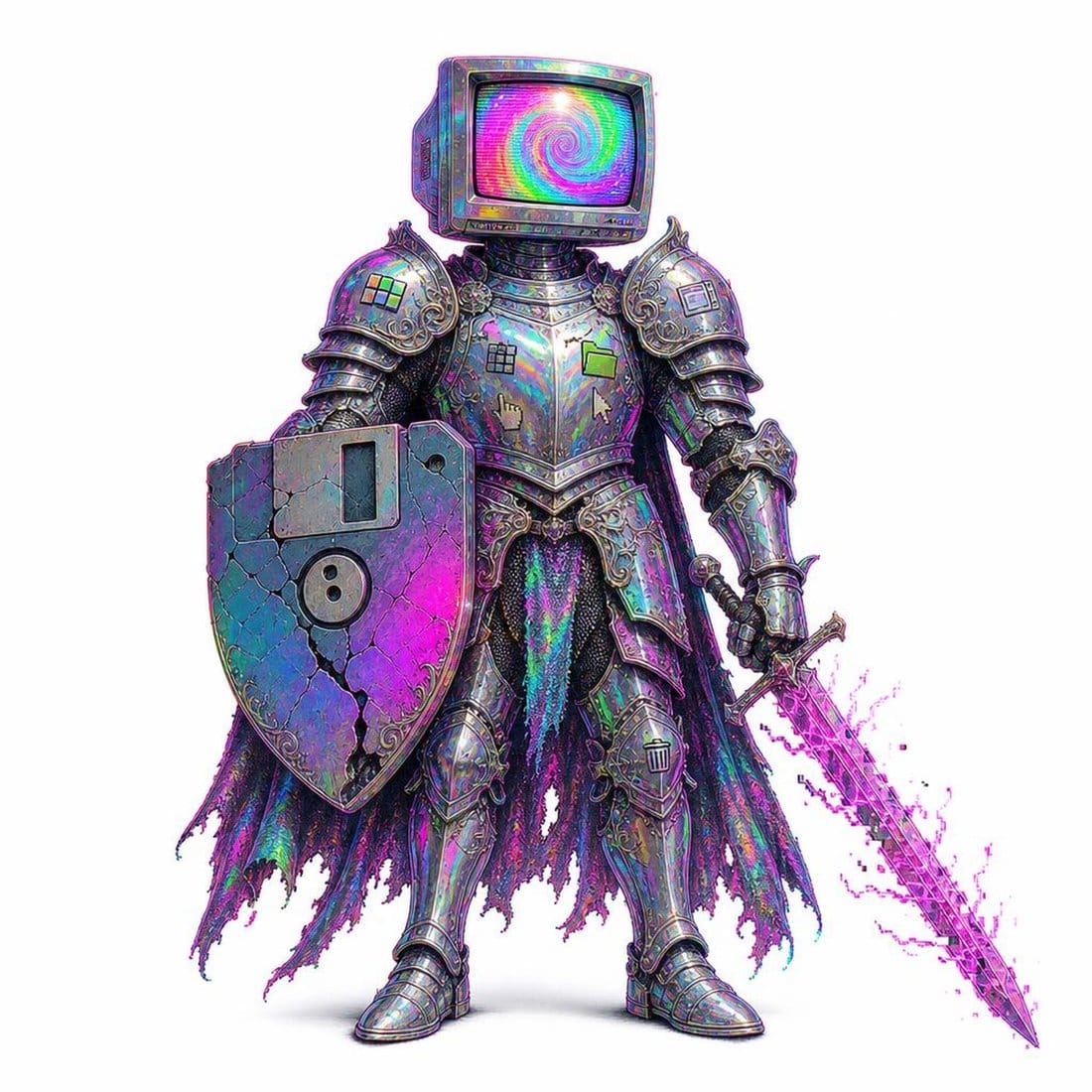
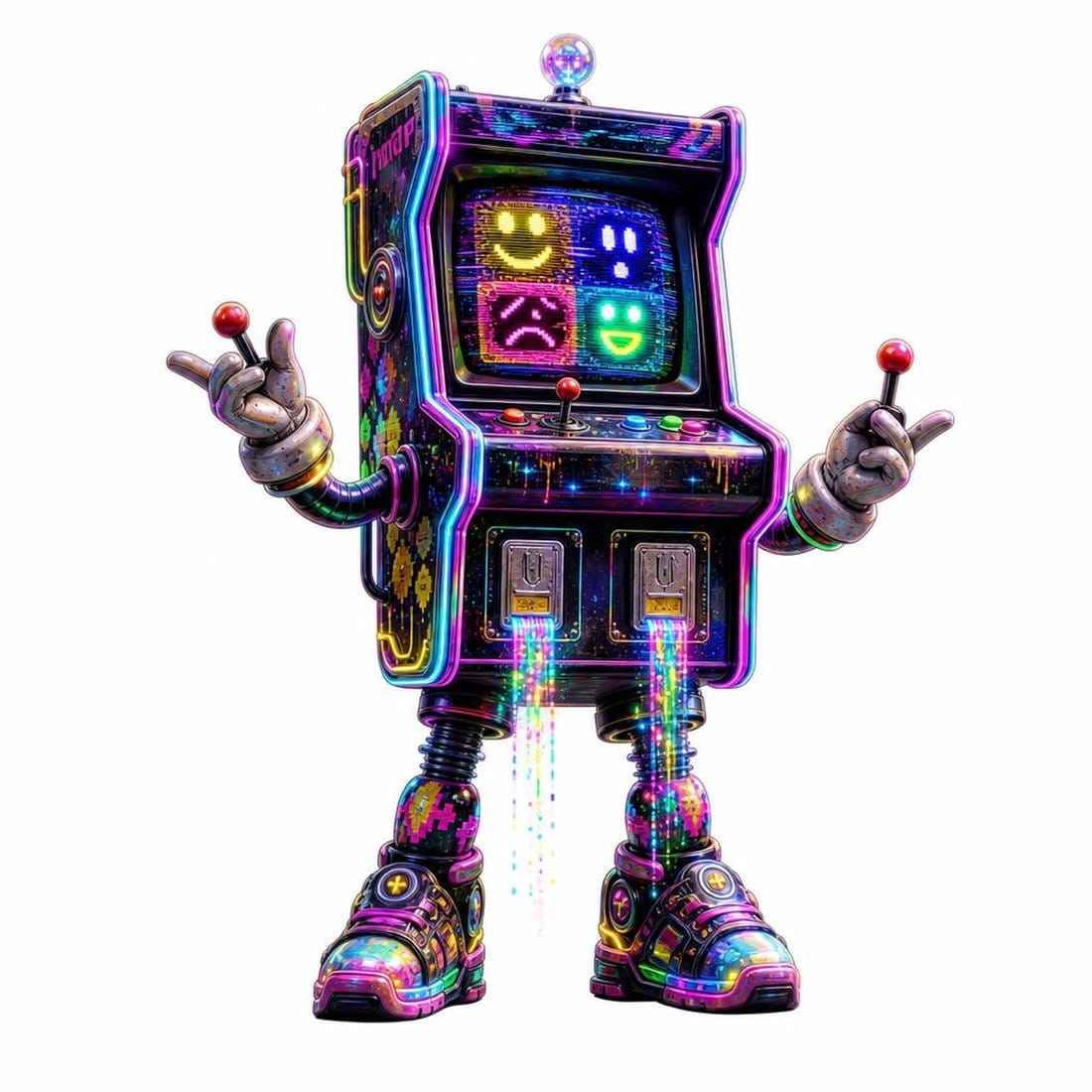
That is the territory we have been working in with our Liminal Arcade collection. Each design takes a single weird digital ghost (a knight with a CRT for a head, a seraph built from the bouncing DVD logo, an anthropomorphic arcade cabinet standing alone in an empty hall) and renders it as dense, holographic apparel art meant to read as a private signal rather than a loud logo. It is our attempt to bottle the exact feeling that kept us up at three in the morning, and to hand it to the people who already feel it.
Frequently asked questions
What is the difference between dreamcore and weirdcore?
They share roots in early-internet surrealism, but weirdcore leans into dread and unease, while dreamcore keeps the surreal imagery and shifts the mood toward a hazy, nostalgic calm. Liminal spaces are the empty settings both aesthetics tend to use.
Why are empty malls and hallways so central to the dreamcore aesthetic?
They are liminal spaces, places designed to be passed through. Emptied of people, they read as uncanny and tender at once, which is exactly the bittersweet register dreamcore is built on.
Is dreamcore just nostalgia?
Partly, but research on nostalgia suggests it is doing real psychological work: regulating mood and reinforcing identity during uncertain times. Dreamcore adds a deliberately eerie edge, which is what separates it from straightforward retro.
🎨 Original designs featured in this article are AI-generated and curated by The Design Drop. External photographs and illustrations are credited individually where used.
Love what you see?
Get free designs, exclusive deals & curated gift guides every week.
Subscribe to The Design Drop - it's free!