
Wilderkind vs Cottagecore: How Nature's Role in Fashion Shifted in 2026

By Dave Dion-Labrecque — Updated May 2026 — 7 min read
Three years ago, if you searched Pinterest for nature-inspired fashion, you'd land in a field of gingham and linen. Cottagecore was everywhere — soft, safe, and deeply comforting. It gave us permission to slow down, to romanticize a loaf of sourdough as though it were a radical act. And honestly, for a while, it worked.
But something shifted. Scroll through Pinterest or TikTok today and you'll notice the meadows have gotten darker, the animals wilder, the textures rougher. The aprons are gone. In their place: bark-textured layers, fern prints that feel more like camouflage than decoration, and wildlife imagery that doesn't ask to be petted. Welcome to wilderkind — and if you haven't heard the term yet, you will.
These two aesthetics share DNA. Both worship nature. Both reject the synthetic, the corporate, the overstimulating. But they arrive at completely different places, and the gap between them tells us something real about where culture is heading in 2026.
What Cottagecore Built — and Where It Hit a Wall
Cottagecore emerged in earnest around 2020, though its roots reach back to the pastoral Romanticism of the 18th century — Wordsworth would have been a cottagecore influencer, no question. The aesthetic took hold during lockdowns, when the fantasy of a simpler rural life became genuinely therapeutic. Baking, gardening, embroidery, folklore — these became visual shorthand for a collective exhale.
At its peak, cottagecore shaped entire product categories. Floral prints dominated fast fashion. The Aesthetics Wiki entry on cottagecore catalogues dozens of sub-variants — from grandmacore to light academia — each softening nature into something approachable and controllable. The look said: nature is a garden, and I tend it.
The trouble is that gardens, by definition, are domesticated. Cottagecore's relationship with the natural world was always mediated — nature as backdrop, as ingredient, as something you bring inside and arrange in a mason jar. The animals were illustrated foxes on throw pillows, not actual foxes doing what foxes do. And by late 2024, that domestication started to feel limiting. The world outside wasn't getting cozier. People wanted an aesthetic that could hold more wildness, more teeth.
Enter Wilderkind — Pinterest's Forecast Meets the Street
Pinterest named wilderkind one of its top trend predictions for 2026, and the forecast turned out to be dead-on. The term itself — from German, literally "wild child" — captures an aesthetic that flips cottagecore's relationship with nature. Instead of bringing the outdoors in, wilderkind pushes you out the door and into the underbrush.
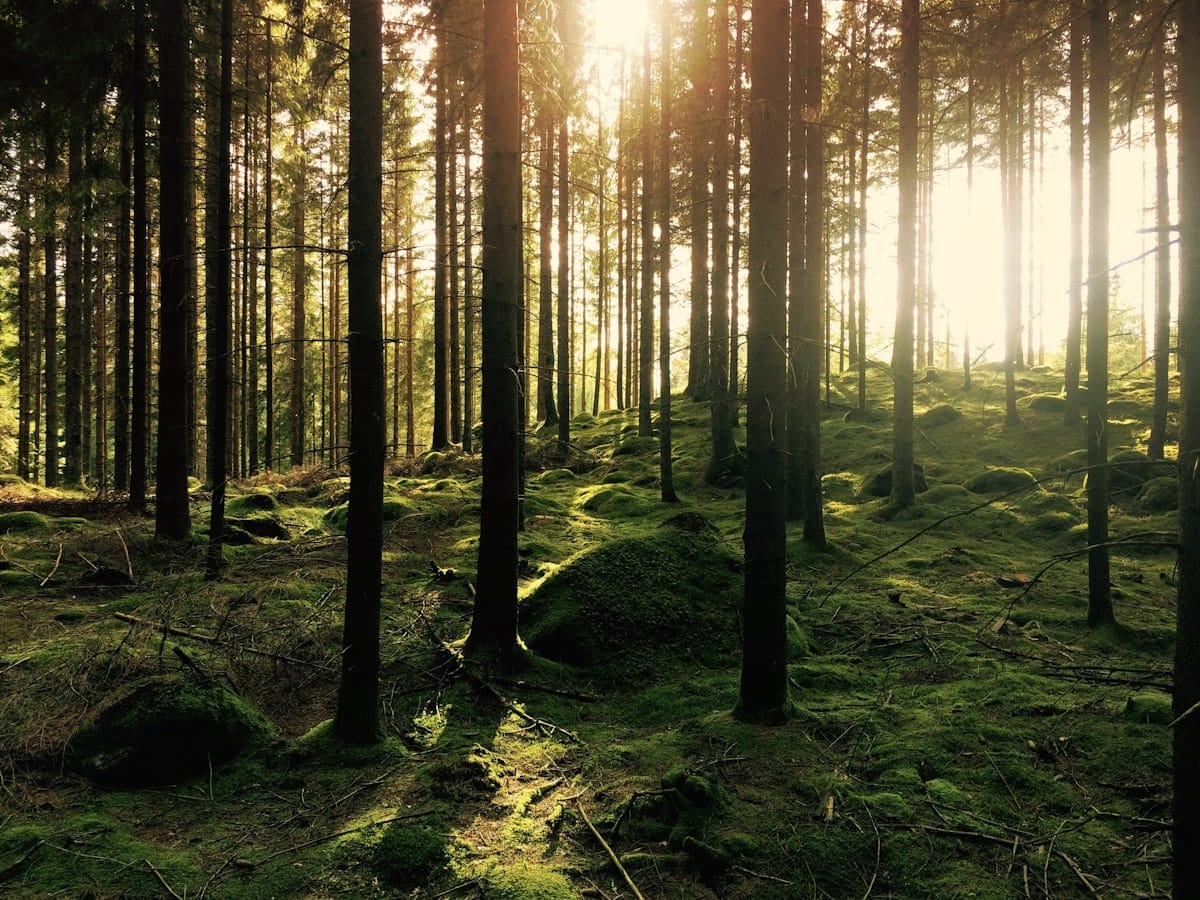
Where cottagecore's palette runs to cream, blush, and sage, wilderkind pulls from charcoal, moss, rust, and bark. The textures are rougher — think raw linen, waxed canvas, felted wool with visible imperfections. Creative Bloq's deep dive on wilderkind describes it as grounded in realism but carrying a sense of whimsy and dreaminess — less fairy tale, more folk tale. The kind of story where the forest has opinions.
The wildlife motifs are the most telling shift. Cottagecore gave us butterflies on teacups. Wilderkind gives us deer standing in fog, owls mid-hunt, foxes vanishing into treelines. The animals aren't decorative. They're protagonists. And they're rendered with a specificity that suggests the designer actually spent time in a forest, not just a Pinterest board.
I've spent the last six months watching this shift play out in real time — in what people search, in what they pin, in what shows up at indie markets and streetwear pop-ups. The demand isn't for "cute woodland creature" anymore. It's for something that feels alive, layered, a little feral.
Side by Side — Where the Two Aesthetics Actually Diverge
Lining these two aesthetics up reveals more than a palette swap. The differences are philosophical.
Relationship with nature. Cottagecore sees nature as a resource to be curated — dried flowers in a vase, herbs in a kitchen garden, berry-picking in a wicker basket. It's nature with a gate around it. Wilderkind sees nature as a force to be encountered — moss on stone, lichen patterns, the way light fractures through a canopy at dusk. One analysis connects wilderkind to burnout recovery, arguing that it reflects a longing to feel alive rather than merely comfortable.
Color and light. This is where you feel the gap immediately. Cottagecore lives in golden hour, perpetual late-afternoon warmth. Wilderkind works in all light conditions — overcast mornings, twilight blue, the near-dark of a forest floor. It doesn't avoid shadow; it builds atmosphere from it. The palette runs deep rather than soft: forest greens that border on black, burnt oranges, the grey-brown of wet bark.
The human figure. In cottagecore imagery, the person is central — wearing the dress, holding the bouquet, standing in the doorway. In wilderkind, the human recedes. The focus is the landscape, the animal, the texture. When people appear, they're small against the wilderness, or partially obscured by foliage. It's a different power dynamic entirely.
Emotional register. Cottagecore is fundamentally nostalgic — it looks backward to a simpler time that may never have existed. Wilderkind is present-tense and forward-looking. It doesn't romanticize a past; it advocates for a different way of being now. There's an edge to it that cottagecore deliberately smoothed away, a recognition that nature isn't just pleasant — it's powerful, indifferent, and worth respecting on its own terms.
Why This Shift Matters for What You Actually Wear
Fashion catches up to aesthetic shifts with roughly a six-month delay, and we're solidly in wilderkind's arrival window. The signals are everywhere. Who What Wear's spring 2026 coverage notes that animal-inspired prints have moved from literal to abstracted — less leopard pattern, more painterly suggestions of wing texture and bark grain. Tory Burch's recent collections feature speckled, dappled patterns that feel observed from nature rather than designed about it.
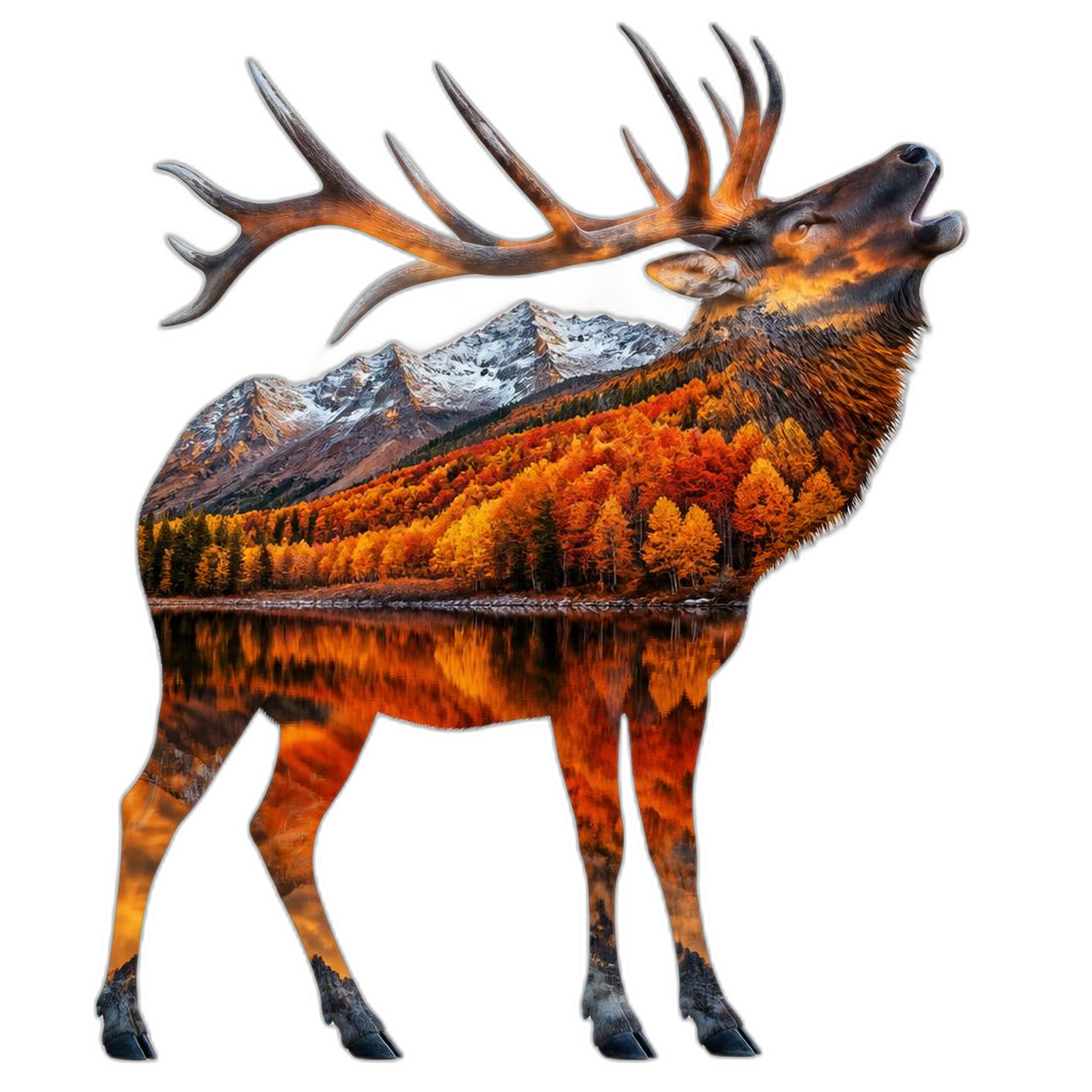
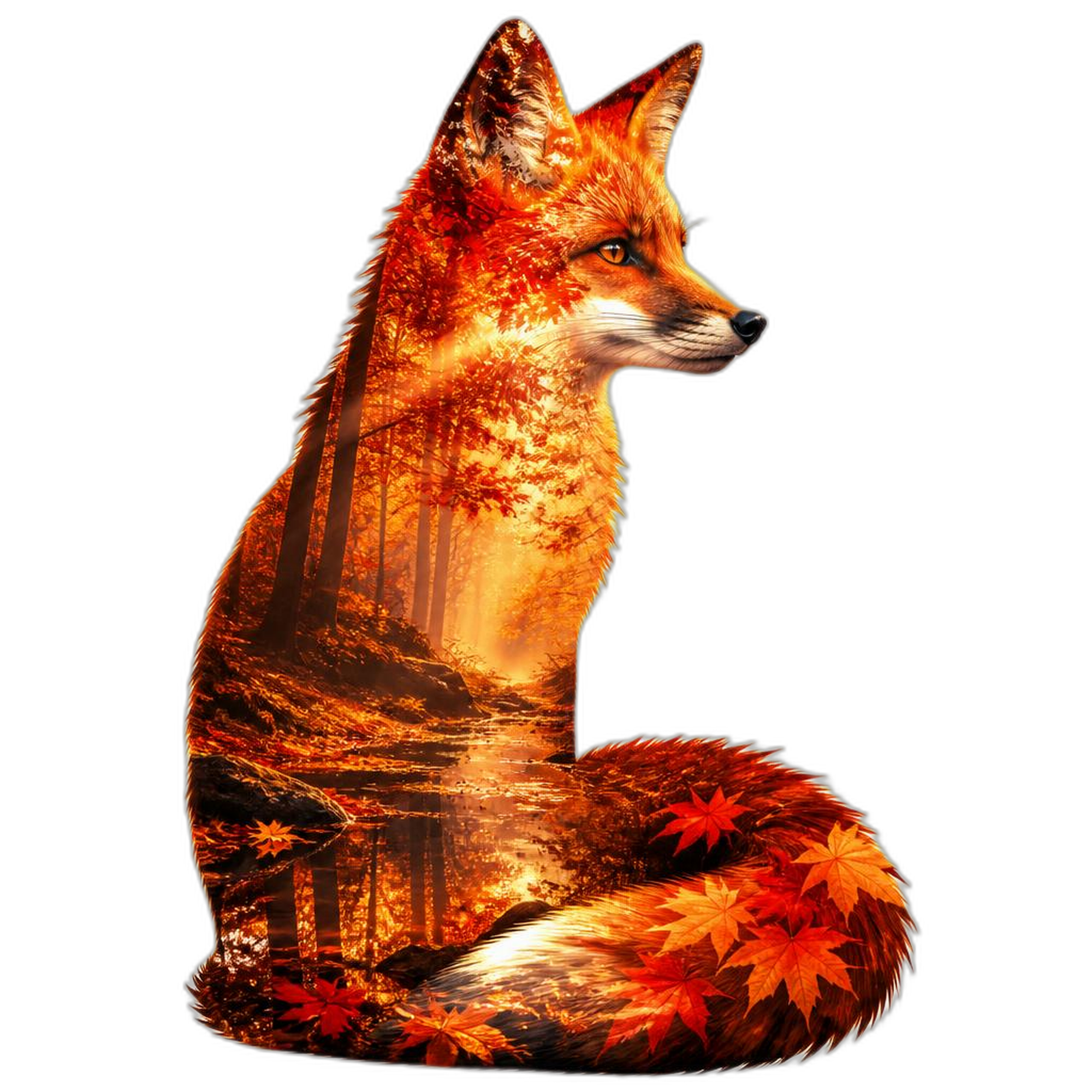
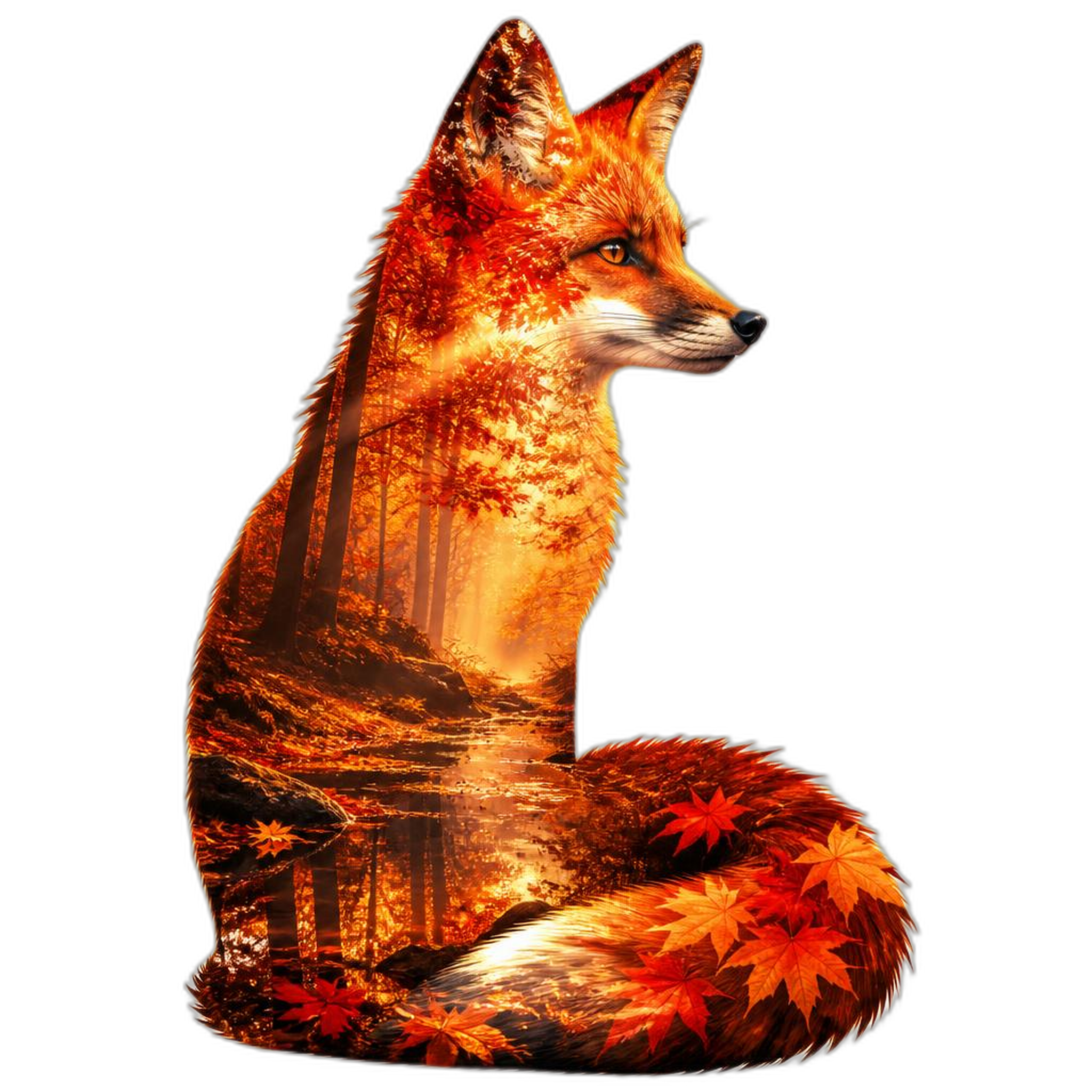
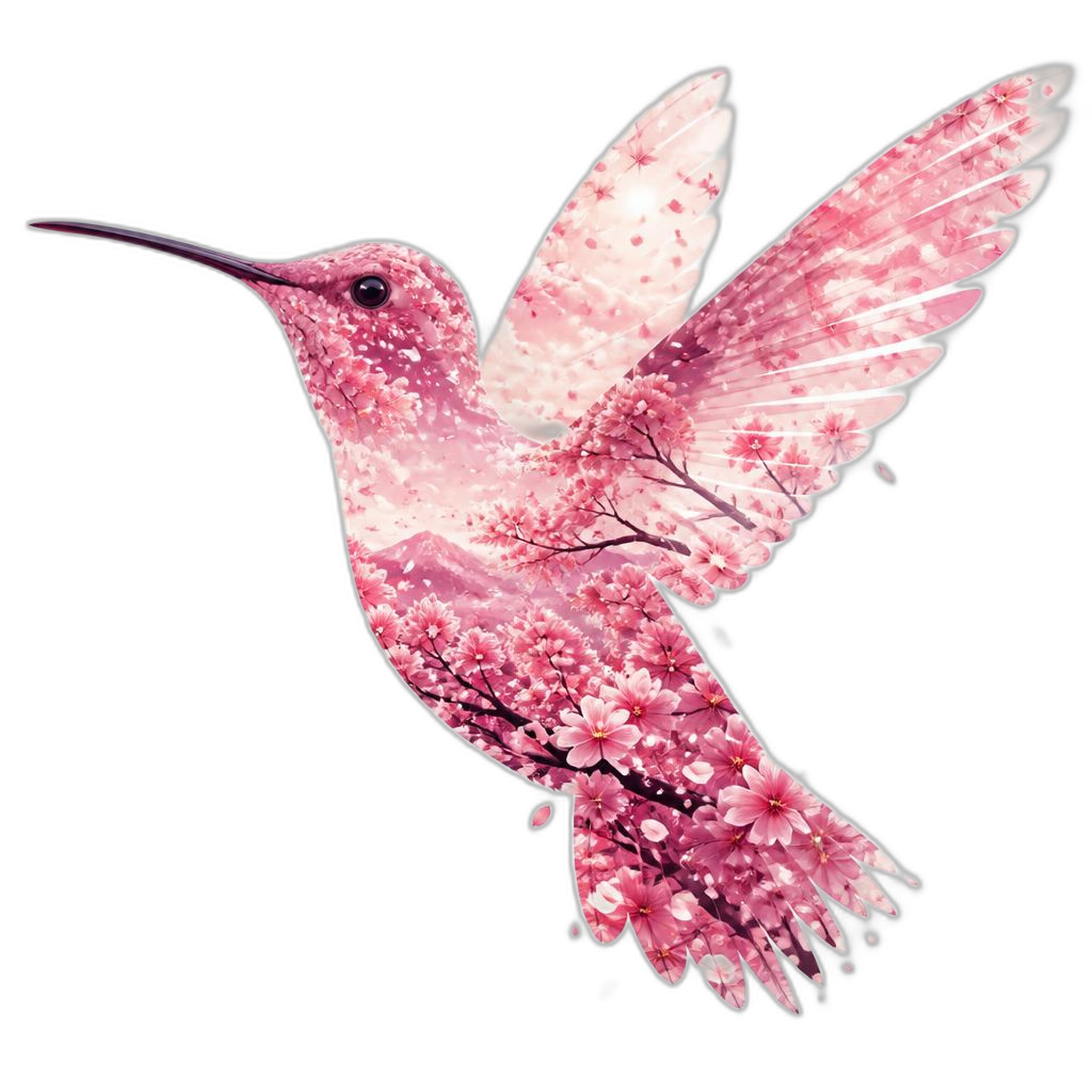
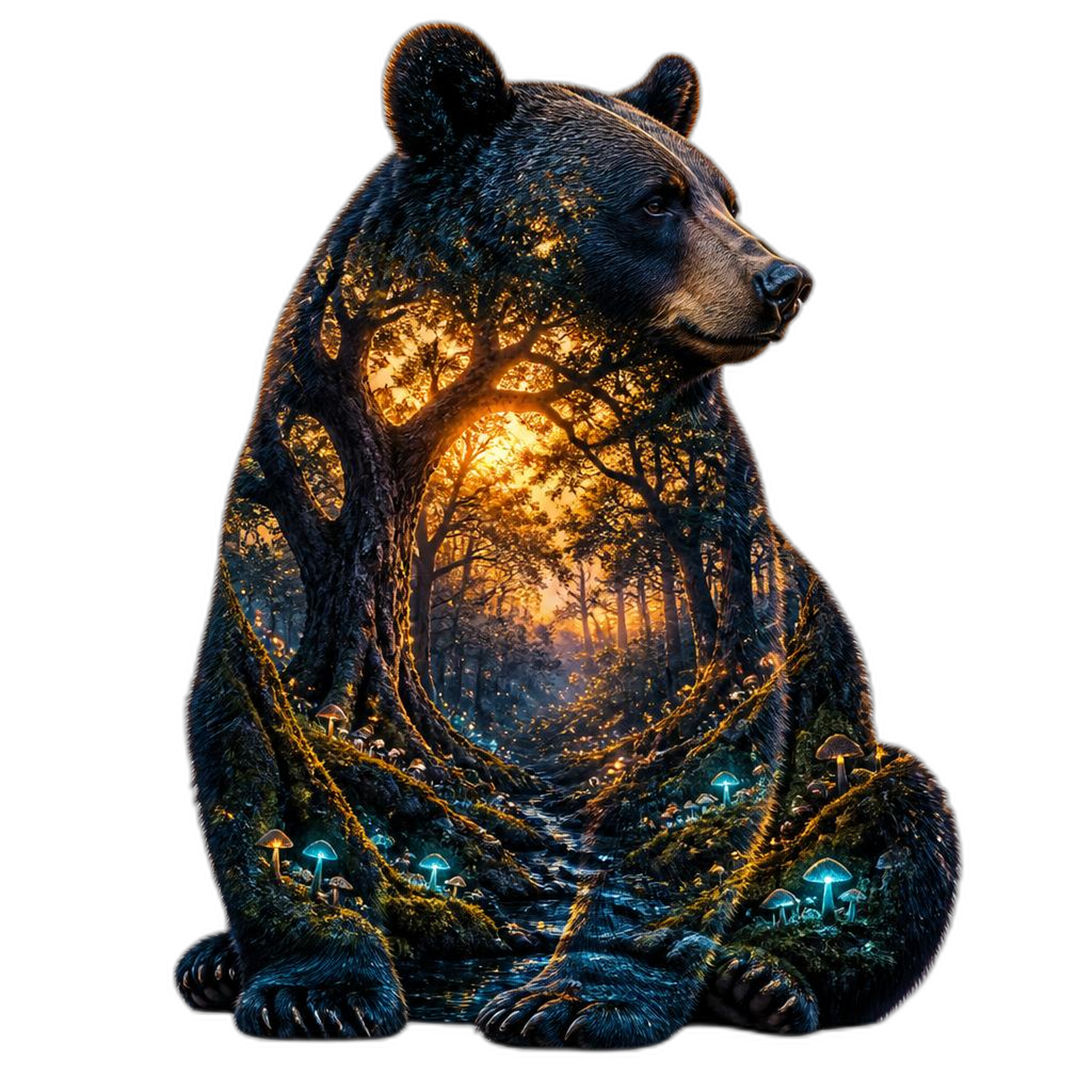
In streetwear, the shift is even more pronounced. The double-exposure technique — layering a wildlife silhouette with a natural landscape inside it — has become a visual shorthand for this sensibility. A bear isn't just a bear; it's a container for a waterfall, a mushroom forest, an entire ecosystem. The technique has roots in Victorian-era photography, where exposing a single plate twice created ghostly, layered images. Now, modern artists and designers use the same principle digitally to collapse the boundary between animal and habitat.
What makes this work in fashion is that it sidesteps the two extremes that nature-inspired clothing usually falls into. It's neither the safe, decorative florals of cottagecore nor the aggressive, skull-and-antler imagery of outdoors-bro culture. It sits in a middle zone that the team at our studio has started calling "reverent" — art that treats wildlife as worthy of attention rather than ownership.
The influence extends beyond what you wear. Pinterest's 2026 trend report shows wilderkind bleeding into home décor, tech accessories, and even nail art — butterfly-wing patterns, woodland textures on phone cases, earthy ceramics that look like they were pulled from a riverbed. It's a full aesthetic system, not just a clothing trend.
When Wildlife Becomes Something You Can Wear
If you've read this far, you probably recognize the pull — the sense that nature fashion can be more than florals on a sundress or a moose on a cabin cushion. That recognition is exactly what drew us to create our Cosmic Wildlife collection, a series of double-exposure pieces where each animal silhouette contains its own landscape — a fox holding an autumn forest, a hummingbird carrying cherry blossoms, a bear sheltering a waterfall. They're designed to sit squarely in this wilderkind territory: nature not as decoration, but as something you carry with you.
You can browse the full range of wildlife-inspired streetwear at The Design Drop — each piece printed on premium heavyweight fabric, because if you're going to wear the wilderness, it should feel substantial.
🎨 Original designs featured in this article are AI-generated and curated by The Design Drop. External photographs and illustrations are credited individually where used.
Love what you see?
Get free designs, exclusive deals & curated gift guides every week.
Subscribe to The Design Drop — it's free!