
Aura Farming, Explained: Why Gen Z Cultivates Cool Like a Crop

By Dave Dion-Labrecque - Updated June 2026 - 7 min read
The first time someone on our team said the words "aura farming" out loud in the studio, it was about a cat. Not a person, not a celebrity, a cat sitting very still on a windowsill while the afternoon light did something flattering to its fur. The joke was that the cat was working. Building something. Accumulating an invisible resource just by refusing to react. A week later I noticed I was using the phrase too, and so was nearly everyone I follow. Somewhere between a meme and a worldview, aura farming has become the way an entire generation talks about charisma, and it tells you a lot about what looking cool means in 2026.
What makes the phrase stick is that it is half sincere and half a joke about being sincere. You can use it to praise a friend who stayed calm in an argument, or to mock yourself for posing too hard in a mirror. That double register is the whole point, and it is worth taking apart.
What aura farming actually means
Strip away the irony and the definition is simple. To aura farm is to do something, often something small and repetitive, that quietly builds your perceived coolness. The word stitches together two ideas. "Aura" is the intangible energy a person seems to give off, the vibe you read off someone before they have said a word. "Farming" comes straight out of gaming, where you grind the same task again and again to stack up resources and level up. Put them together and you get the image of charisma as a crop: something you cultivate on purpose, patiently, until the harvest shows.
Dictionary.com and Britannica both folded the term into their running records of how Gen Z reshapes everyday language, which is usually the sign that a piece of slang has crossed from niche to permanent. The tell is that older people now use it slightly wrong, and younger people enjoy correcting them.
In our own corner of the internet, the aesthetic side of the phrase arrived first. We design apparel graphics for a living, and long before anyone explained the meme to me I was watching the same visual language spread: a single figure, dead calm, surrounded by an almost visible field of light. The vibe was the subject.
The boy on the boat who started it
You cannot talk about aura farming without the eleven-year-old who turned it into a global verb. At a Pacu Jalur boat race in Riau, Indonesia, a boy named Rayyan Arkan Dikha stood at the very tip of a long wooden racing boat and danced. Not frantically. He moved with a slow, unbothered authority, sunglasses on, arms carving lazy shapes in the air while the crew rowed behind him. The clip spread across TikTok, Instagram and YouTube through 2025, and the internet decided it had found the platonic example of the form. He was, everyone agreed, aura farming.

The detail most people online missed is that his role is genuinely ancient. He is the tukang tari, the dancer who stands at the prow to lift the rowers' spirits, part of a river-racing tradition that reaches back to the 17th century. What looked like a spontaneous flex was actually a kid doing a centuries-old job extremely well. The festival saw an estimated hundred thousand extra spectators the following season, and Formula One and MotoGP drivers started copying the moves in their own clips. A village ritual became a worldwide pose, which is a very 2026 way for tradition to survive.
Why a whole generation latched on
Here is what I think the older takes get wrong. Aura farming is not vanity dressed up in new slang. It is a quietly useful reframe of confidence for people who grew up performing for an audience they cannot see.
If you came of age on camera, every ordinary moment carries a faint awareness of how it would read to a viewer. That can curdle into anxiety. The genius of the aura-farming frame is that it converts that same self-consciousness into a low-stakes game. You are not trying to be liked, which is exhausting and fragile. You are farming aura, which is funny, optional, and yours to lose. The stillness is the strategy. Reacting too much, explaining too much, wanting it too obviously, all of that is "losing aura." Calm reads as currency.
You can see the same instinct running through the other aesthetics we have written about lately. The pull of liminal, dreamcore spaces and the slow, almost ceremonial mood of the crystalcore revival share a nervous system with aura farming. All three prize quiet over loud, presence over performance, the suggestion of an inner life over the announcement of one.
The visual grammar of aura
Because aura is supposedly invisible, the look had to invent a way to show it, and the solution it reached for is older than the meme. People started reaching for the language of aura photography, those saturated halos of color that wellness studios sell as portraits of your energy. The technique descends from the Kirlian process of the 1930s, in which an object on a charged plate appears ringed by a glowing corona. Whether it measures the soul or just skin moisture is beside the point. What it gives the eye is a vocabulary: a person, and a field of color that means something about them.
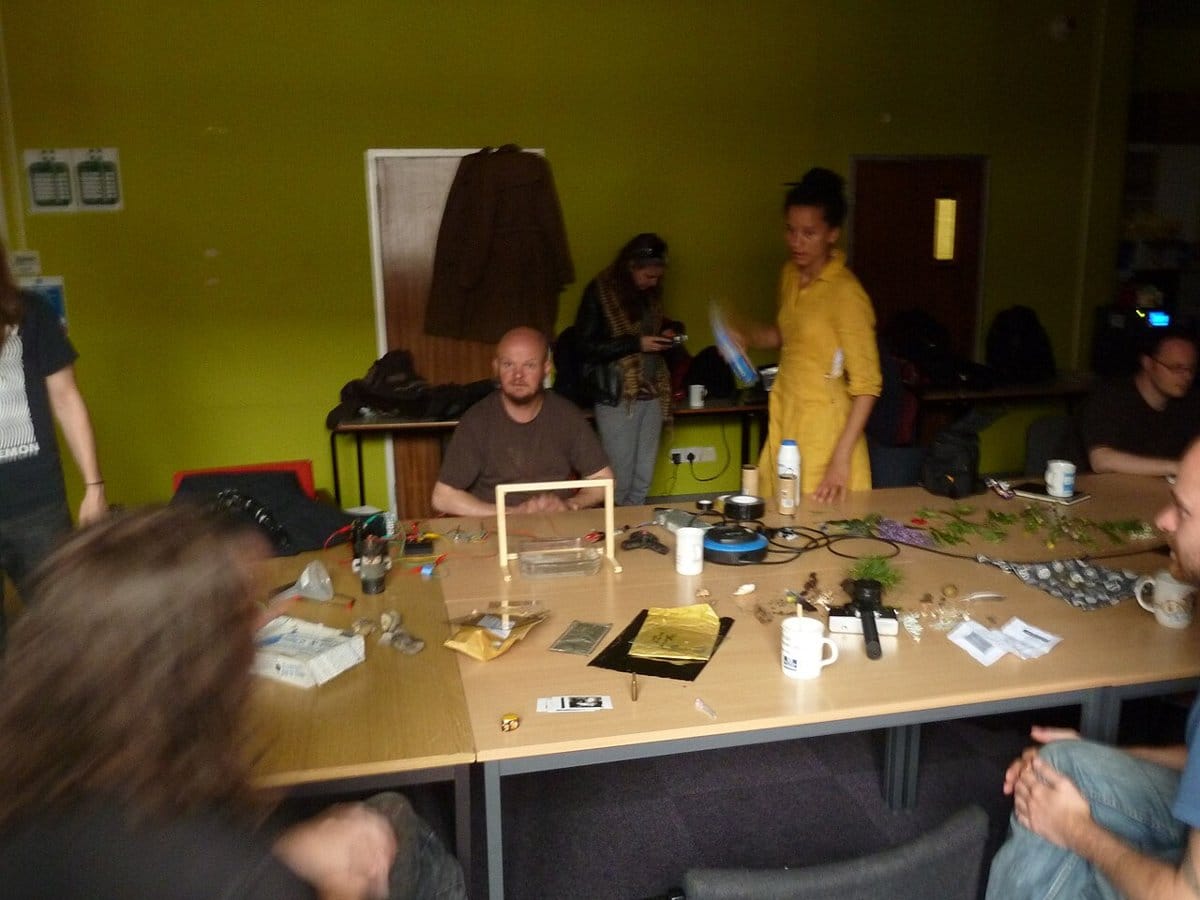
That is exactly the grammar that has flooded fan edits and profile pictures. A subject sits dead center, expression neutral, wrapped in a gradient ring of light. Red for high energy, violet for mystery, gold for a main-character glow. The color does the talking the face refuses to do. It is a remarkably efficient piece of design, and once you start noticing the ring you cannot stop seeing it.
The slang that grew around it
A trend is only mature once it sprouts a dialect, and aura farming has a thorough one. People talk about "aura points," gained for a clutch moment and docked for an embarrassing one. There is the "villain era," where the goal is menace rather than warmth. There is "main character energy," "sigma" stillness, the "delulu" optimism of acting like the protagonist until reality catches up. None of it is meant entirely seriously, which is the protective coating that lets people mean it a little.
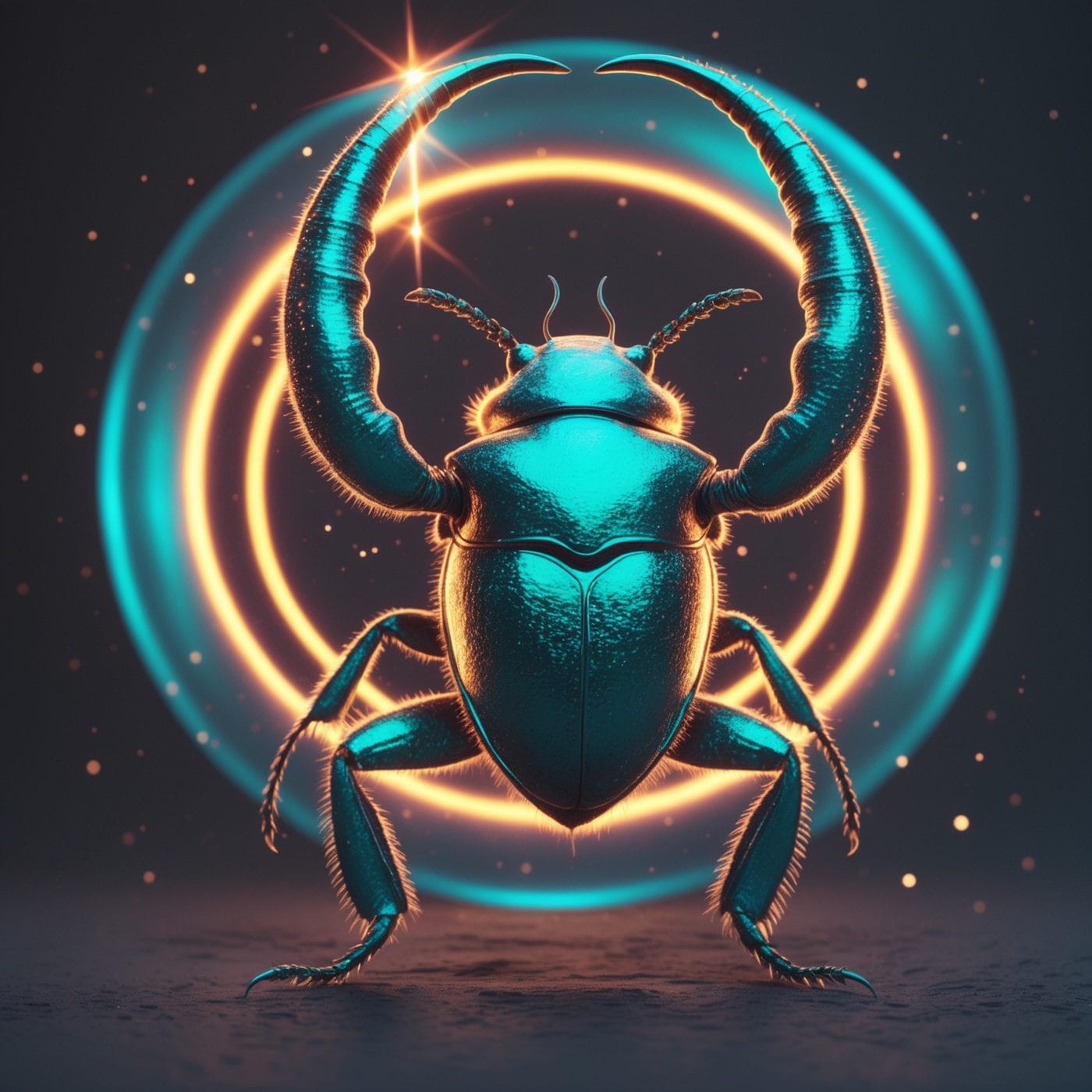
We have watched this language jump from screens onto clothing, which is usually where we come in. The same way nature aesthetics keep mutating season to season, the aura vocabulary is now a styling brief: people want to wear the field of color, not just photograph it.
Bringing the aura off the screen
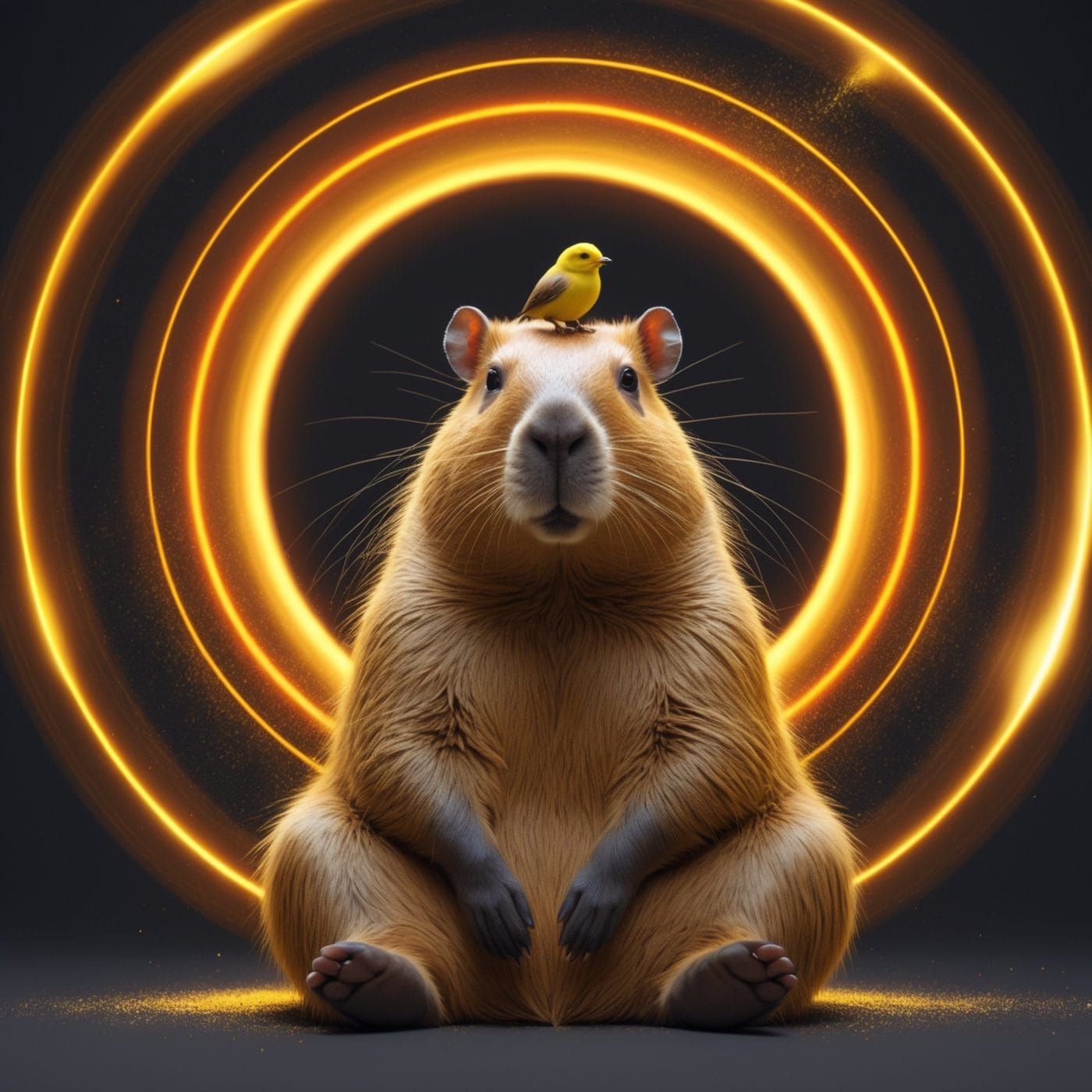
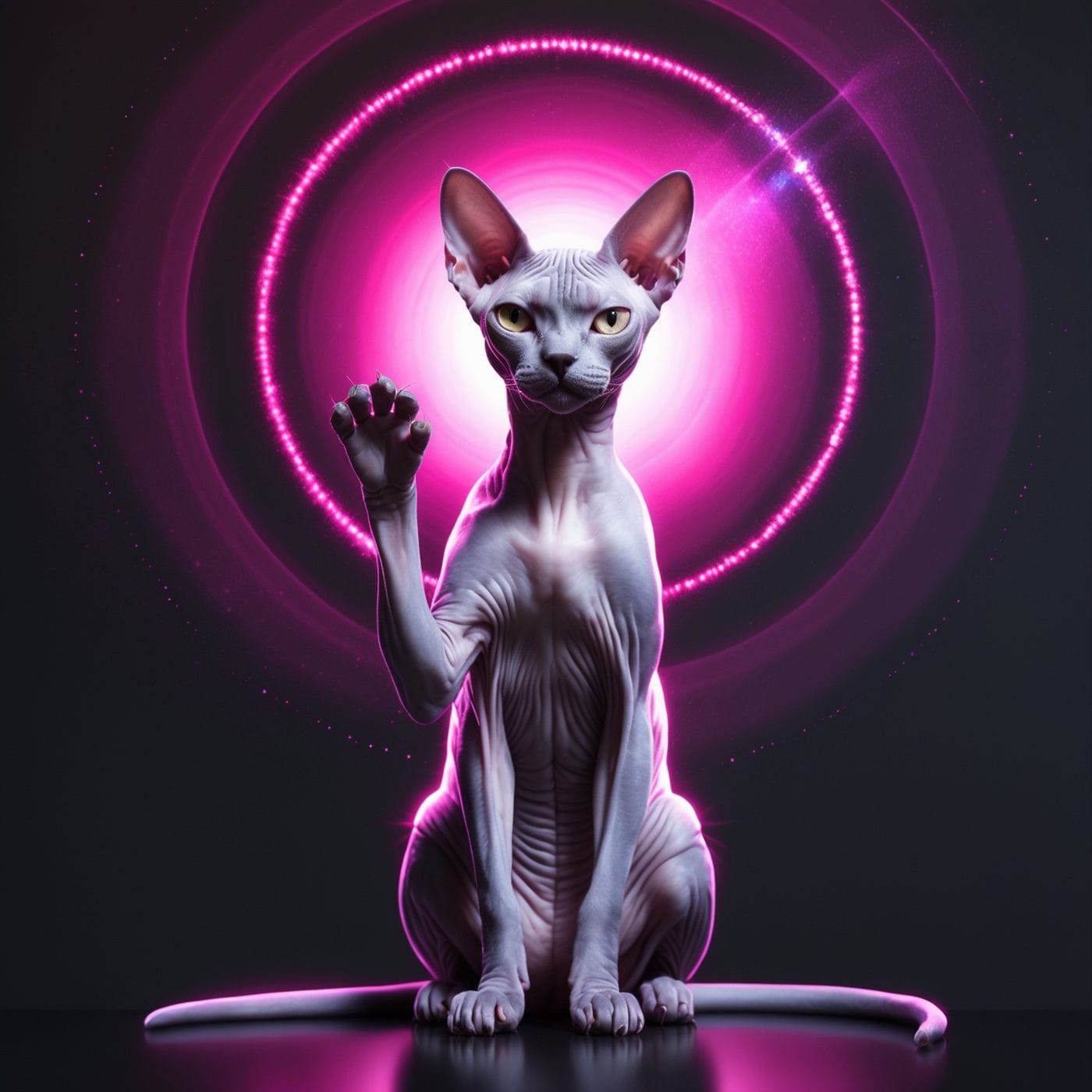
That tension, an invisible quality that everyone suddenly wants to make visible, is what pulled us into the subject in our studio this month. We had been sketching a set of creatures that each carry their own self-contained halo, a capybara radiating unbothered calm, a sphynx cat deep in its villain era, a shoebill stork holding a stare that could end a conversation. The work started before the meme fully clicked for us, and then the meme arrived and named exactly what we had been drawing. Our small Aura Farm collection grew out of that overlap, an attempt to give the aura a face you can wear rather than just a filter you scroll past.
If there is a takeaway under the jokes, it is gentle. Aura farming, at its best, is permission to take up space quietly, to let presence do the work instead of noise. You do not have to perform harder. You can just sit on the windowsill, like the cat, and let the light find you.
🎨 Original designs featured in this article are AI-generated and curated by The Design Drop. External photographs and illustrations are credited individually where used.
Love what you see?
Get free designs, exclusive deals & curated gift guides every week.
Subscribe to The Design Drop - it's free!