
The Botanical Horror Aesthetic: Why 2026's Flowers Grew Teeth
Skulls in bloom, ribcages full of orchids, bouquets that would kill you. Botanical horror is the year's fastest-moving dark aesthetic, and it is four hundred years old.

By Dave Dion-Labrecque - Updated September 2026 - 7 min read
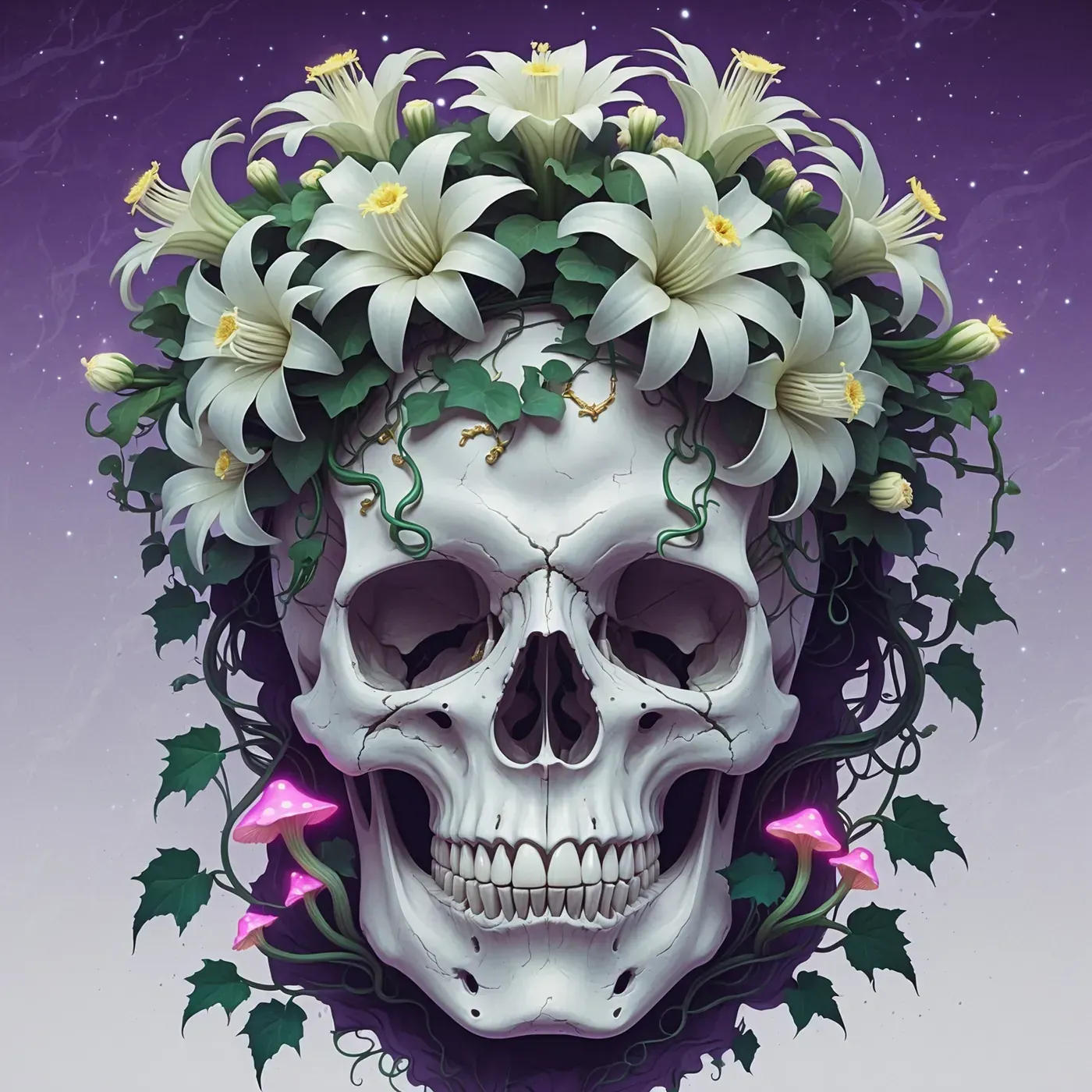
Something happened to the flower references in our studio folder around February. I keep a running board of botanical imagery, mostly pressed ferns and pale peonies, and over roughly six weeks it went dark. Not dark as in moody lighting. Dark as in a skull with lilies growing out of the eye sockets. Then a ribcage packed with orchids. Then a bouquet held by a hand with no skin left on it.
That drift has a name now. The botanical horror aesthetic is what happens when the cottagecore garden stops being a refuge and starts being a body. It moved faster this year than almost anything else we track. And it is not really new. The seventeenth century built an entire painting genre on the same uncomfortable idea, then hung it in dining rooms.
What botanical horror actually means
The rule is simple once you see it: growth happening where growth should not. A fern uncurling out of a sternum. Wisteria threading through a collarbone. Mushroom caps clustered on the folds of a brain like they have been there for years and nobody noticed.
This is not gore, and the distinction matters. Gore wants you to flinch. Botanical horror wants you to lean in, register that the arrangement is beautiful, and only then work out what you are actually looking at. The horror is delayed. It arrives about two seconds after the appreciation does.
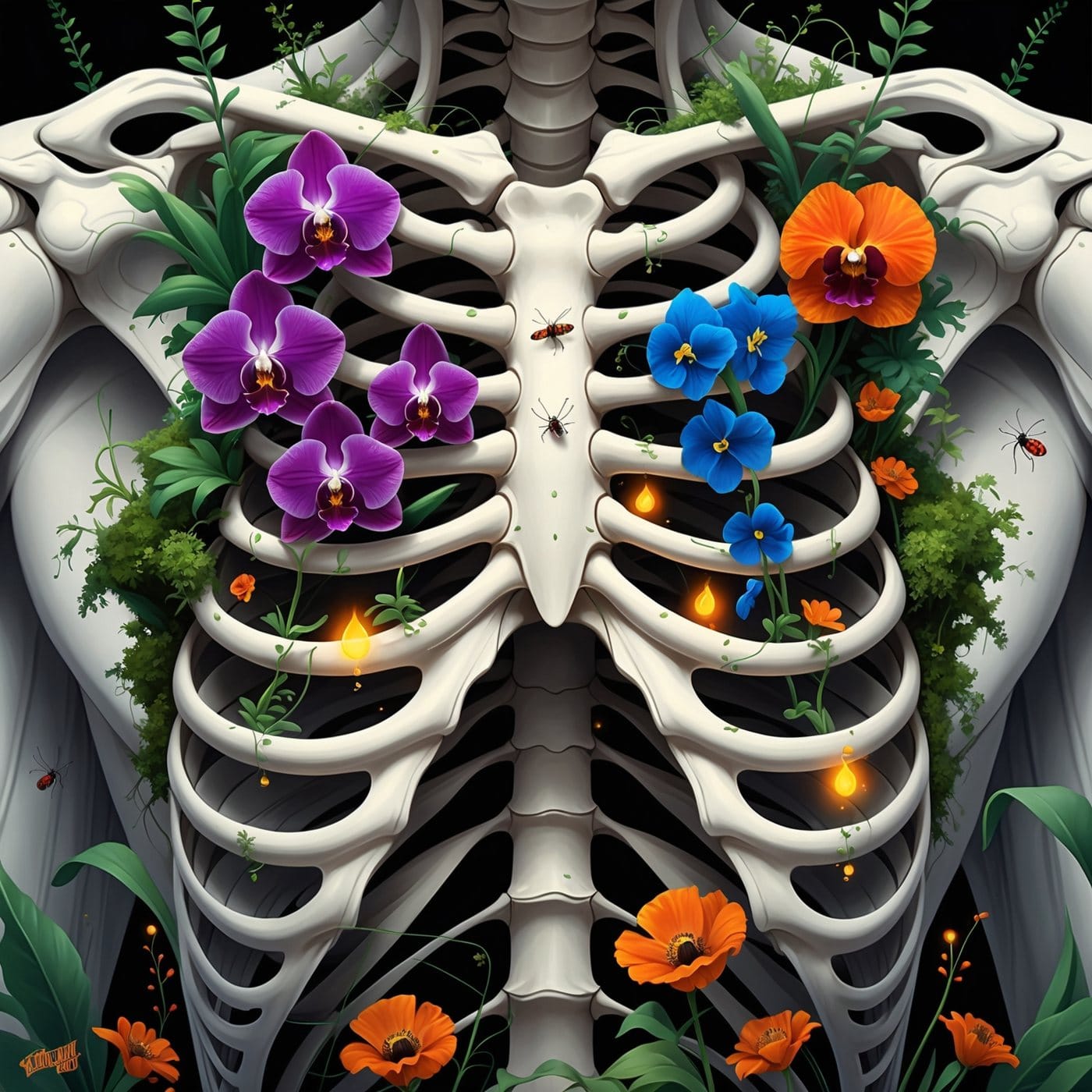
The core grammar of the aesthetic: a body treated as a planter, rendered with botanical-plate precision rather than shock value.
It also sits at a specific distance from its neighbours. Cottagecore is about safety and small domestic pleasures. Goblincore collects the overlooked: moss, snails, a good rock. Dark academia is architectural and human, all libraries and wool. Botanical horror borrows the plant vocabulary from all three and removes the comfort. We wrote about the earlier stage of this shift in our piece on Wilderkind and cottagecore, when nature in fashion stopped being decorative and started being indifferent. Botanical horror is the next station down that line. Nature is no longer indifferent here. It is interested in you specifically, and it is patient.
The seventeenth century got there first
Anyone treating this as a TikTok invention should spend twenty minutes with Dutch still life painting. In the 1600s, Northern European artists produced thousands of canvases in a genre called vanitas, built entirely around the reminder that you are going to die and your possessions are not coming with you. The vanitas tradition ran on a fixed vocabulary of objects: a skull, a snuffed candle, an hourglass, a watch, and almost always cut flowers, which were the cleverest item on the table because they were already dying while you admired them.
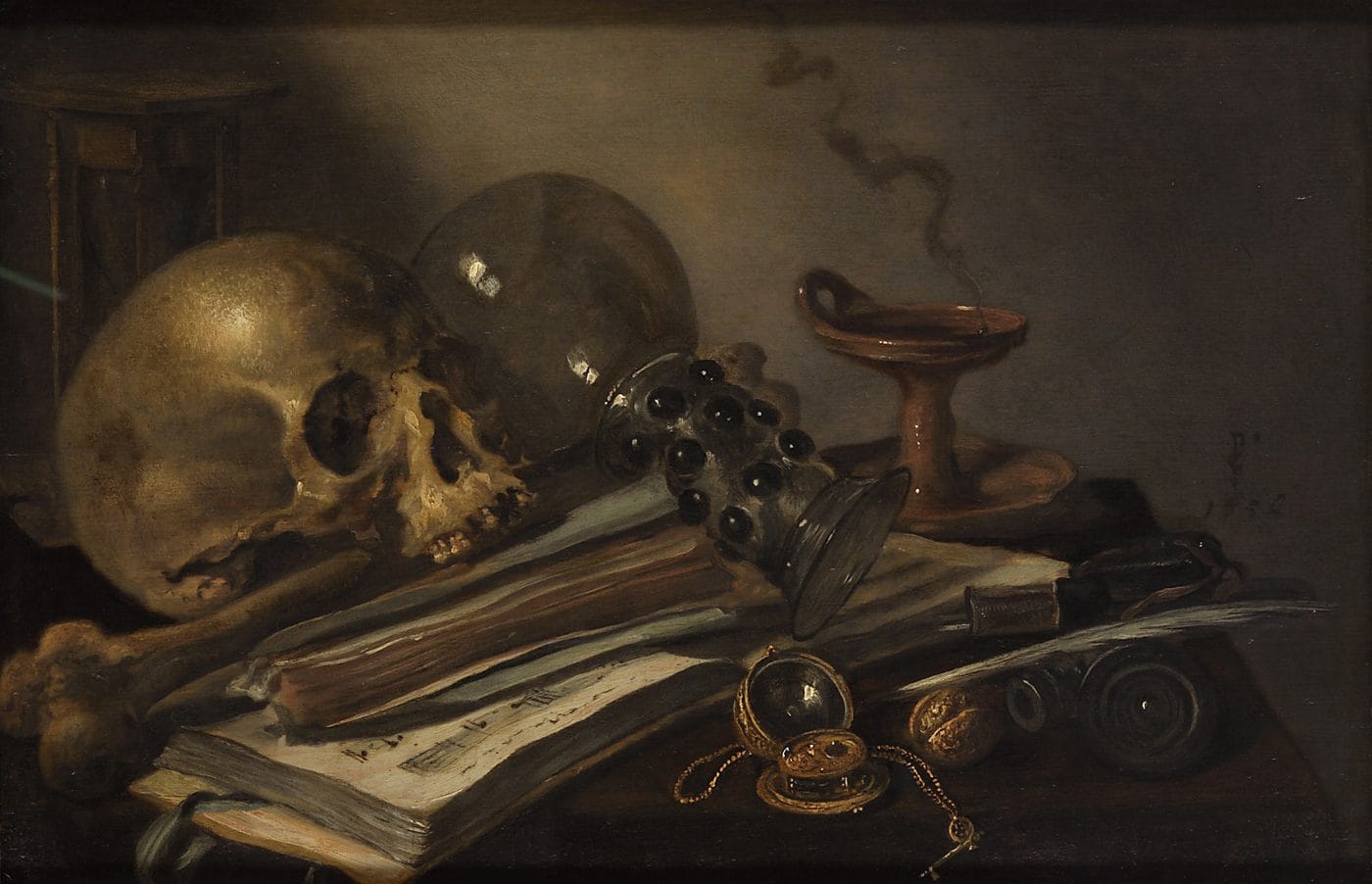
Pieter Claesz, Vanitas Still Life, Kunsthistorisches Museum Vienna. Photo: Wikimedia Commons / public domain.
What strikes me every time I go back to these paintings is how little the composition logic has changed. Claesz gives you the skull first, warm and almost golden, then the wrecked glass, then the watch. It is staged, luxurious, and completely at ease with the corpse in the middle. The Mauritshuis collection of Dutch still lifes is full of this exact move.
The flower painters pushed it further. Rachel Ruysch, who worked into her eighties and was one of the best paid painters in the Netherlands, assembled bouquets that could not physically exist. Tulips and sunflowers and roses bloom in the same vase despite belonging to different months. Look at the lower edge of almost any Ruysch and you will find a petal browning, an insect chewing, a stem already going soft.
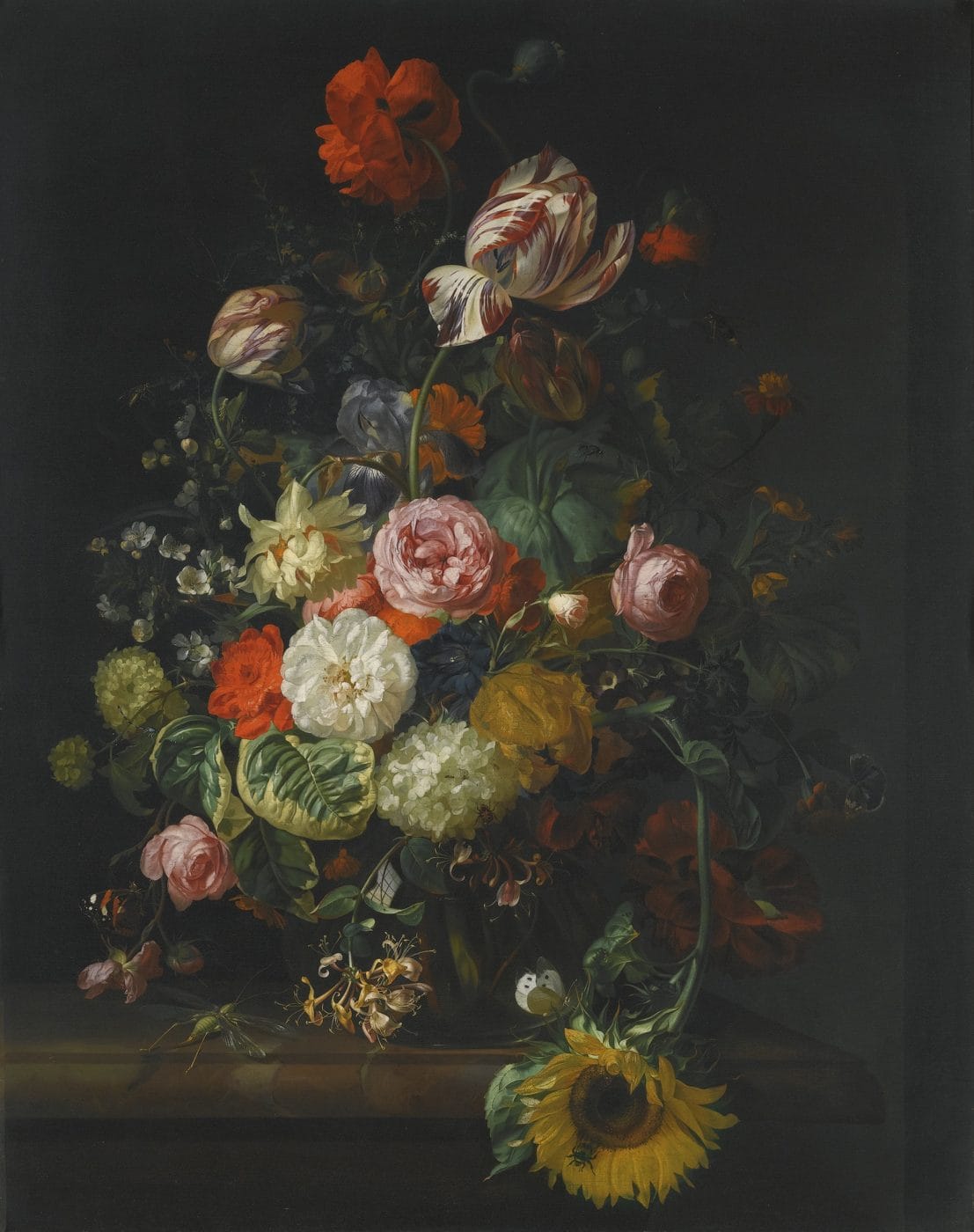
Rachel Ruysch, flower still life, 1710. Photo: Wikimedia Commons / public domain.
These were not pretty pictures with a moral bolted on afterwards. The decay was the subject. The beauty was the delivery mechanism. That is the same contract the botanical horror aesthetic is running today, minus the Calvinism and plus a phone screen.
The plants were never innocent
There is a second thread here, and it is the one people underestimate. Plants are genuinely dangerous, and every culture that lived close to them knew it.
Foxglove is the clean example. Tall, pink, deeply ordinary in a British hedgerow, and loaded with cardiac glycosides. In 1785 the physician William Withering published his study of foxglove as a treatment for dropsy, which gave modern medicine digitalis and gave cardiology one of its foundational drugs. The same compound in a slightly larger dose stops the heart it was meant to steady. Kew's writing on foxgloves is good on how narrow that margin really is.
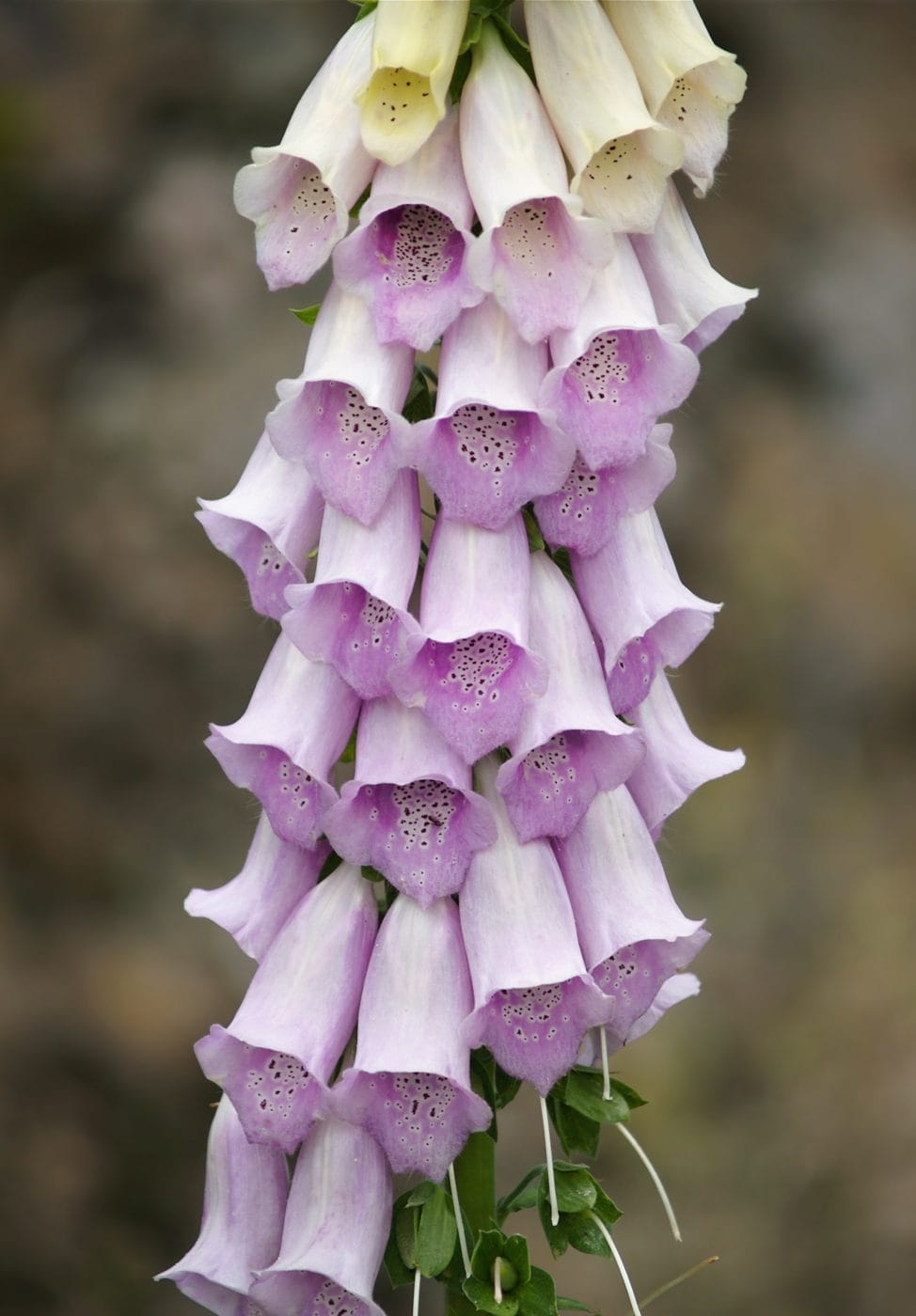
Digitalis purpurea. Photo: Jörg Hempel / Wikimedia Commons, CC BY-SA 3.0 DE.
Nightshade, hemlock, oleander, monkshood, lily of the valley: the list of household-adjacent plants that will kill an adult is longer than most people expect. Victorian floriography, the whole sentimental business of sending coded messages in bouquets, was assembled by people who understood that a flower could carry a threat as easily as a compliment. When a contemporary illustrator draws a skeletal hand gripping a fistful of foxglove and monkshood, they are not being edgy. They are being accurate.
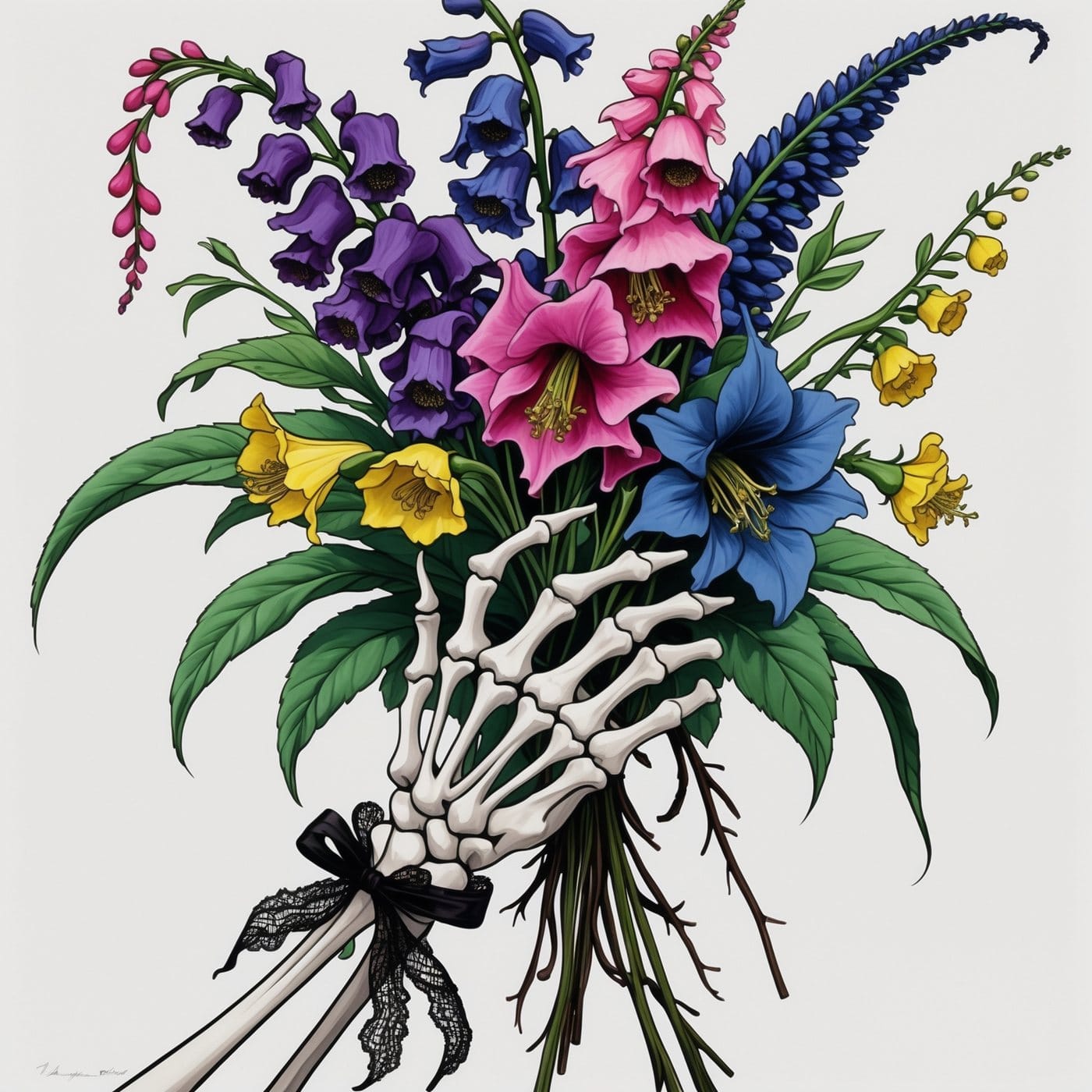
A poison bouquet reads as romantic until you identify the species in it. That gap is the entire aesthetic.
Why it surfaced now
Three things converged, and none of them are about fashion.
The first is that mainstream trend forecasting finally caught up with the colour. Pinterest's 2026 forecasting landed on deep aubergine and bruised plum as the year's signature range, alongside a woodland-leaning direction of smoky greens, moss texture and arrangements that look grown rather than assembled. That palette is exactly what botanical horror needs. You cannot render this aesthetic in millennial pink.
The second is fungal literacy. Ten years ago mycelium was a specialist interest. Then came the popular science, the prestige television, the mushroom identification apps, and a general public that now knows a fungal network can hijack an insect's nervous system and steer it somewhere convenient before fruiting through its head. That fact used to be horror fiction. Now it is a fact people repeat at dinner.
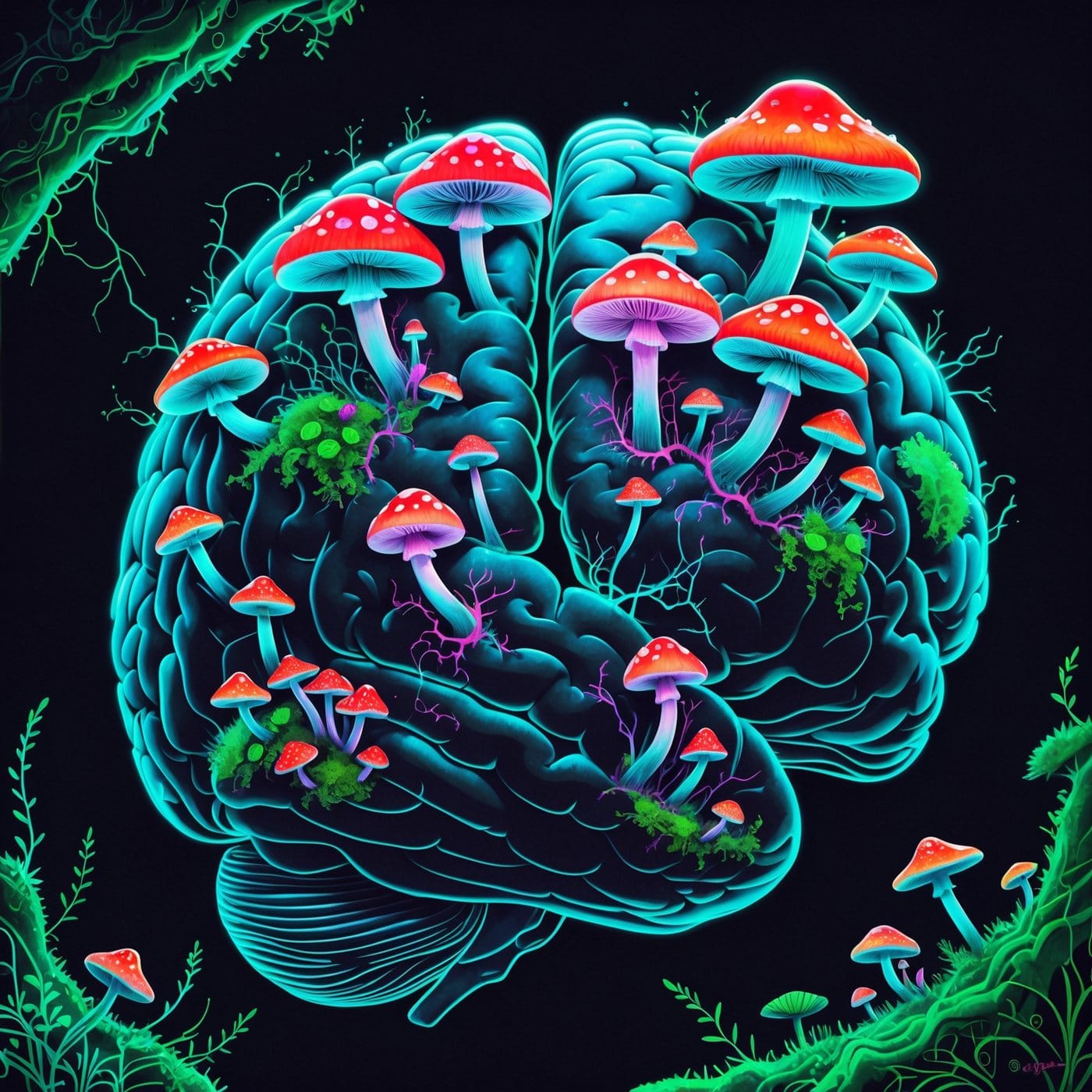
The third is quieter. Roughly a decade of nature-facing aesthetics leaned on comfort, and comfort has worn thin. A garden that heals you is a lovely image and increasingly a hard sell. The current version admits the garden will outlive you, and there is something oddly restful in that. It is the same emotional mechanism we found in the yokai aesthetic, where the monsters are frightening and also weirdly companionable, and in the pull of bioluminescence, where the appeal is a beauty that owes you nothing.
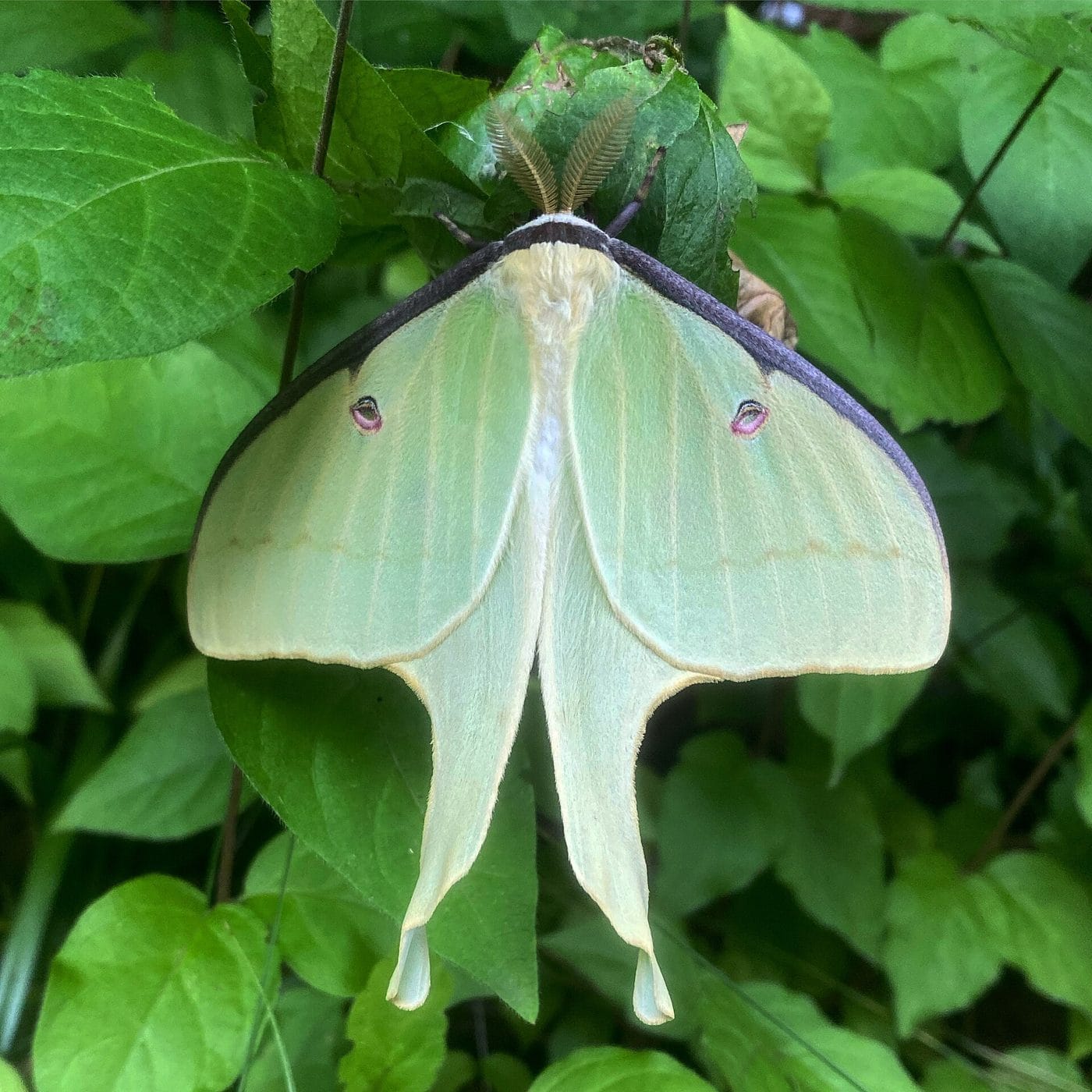
Actias luna. Photo: Abigail Staffelbach / Wikimedia Commons, CC0.
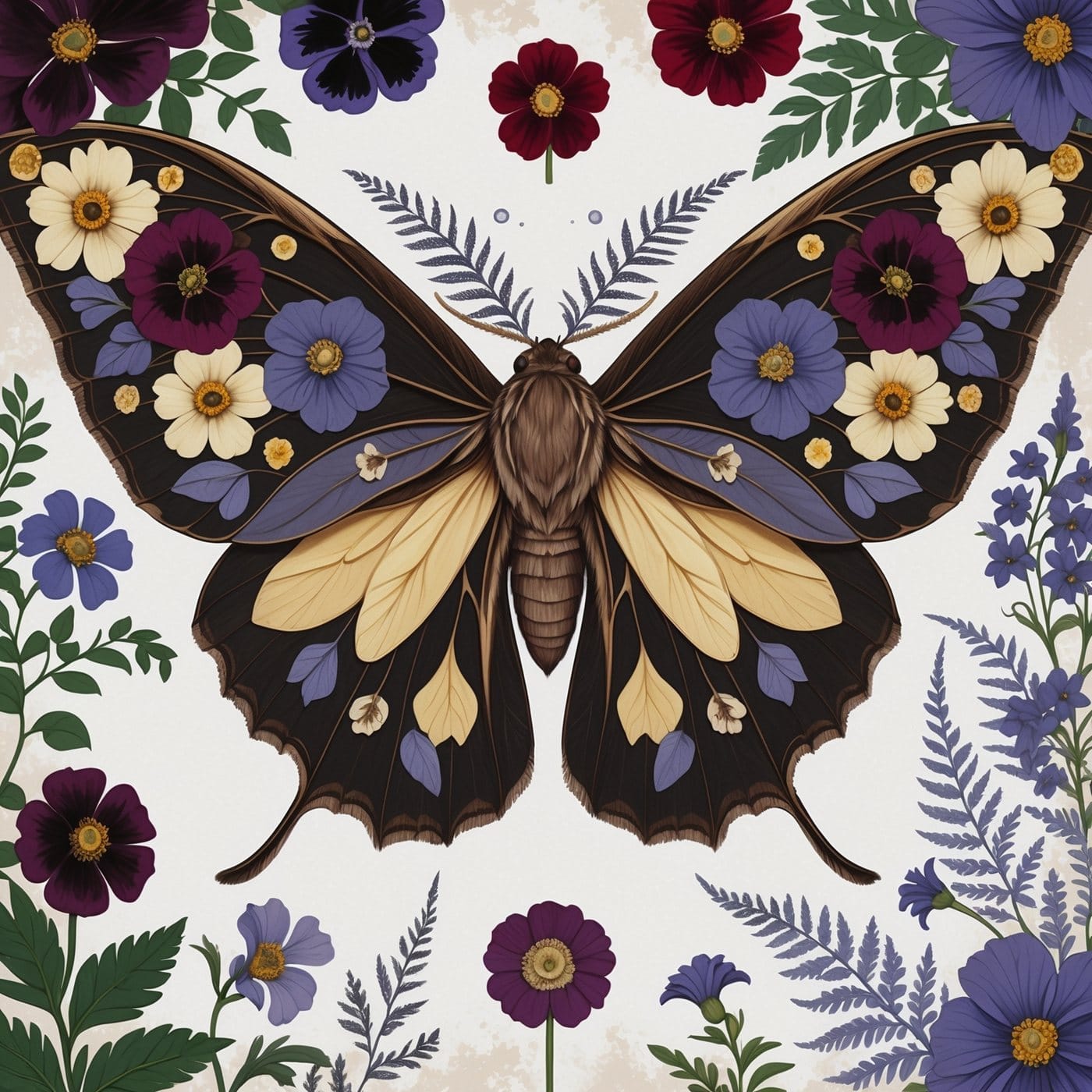
Moths do a lot of load-bearing work in this aesthetic and it is worth saying why. A luna moth has no functional mouth. It emerges, lives about a week, mates, and dies of nothing in particular. It is a creature whose entire adult existence is a countdown, wrapped in pale green. Botanical horror keeps reaching for it because it does the same job the cut flower did for Claesz, in one image, without needing a skull to explain itself.
How to tell it apart from what sits next to it
A few markers we use when sorting reference. Palette runs cold and deep: bone white, aubergine, oxblood, moss, the occasional acid pink to break it. Symmetry is usually strict, borrowed from botanical plates and anatomical atlases rather than from photography. Line work is fine and patient, because the effect collapses if it looks rushed.
Most reliably, there is always a delay built in. If you understand the image immediately, it is probably gothic decoration. If it takes a beat, and the beat is where the discomfort lives, you are looking at the real thing. Adjacent aesthetics that trade on stones and symbols work differently, as we found when tracing crystalcore and gemstone symbolism, where meaning is asserted rather than delayed.
Common questions
Is botanical horror the same as dark cottagecore?
No. Dark cottagecore darkens the palette but keeps the domestic fantasy intact. Botanical horror breaks the fantasy by putting the plant inside the body.
Where did the aesthetic come from?
Its visual logic descends from seventeenth century vanitas and flower still life painting, filtered through nineteenth century botanical and anatomical illustration, and revived through contemporary folk horror and fungal science.
What colours define it?
Bone white and deep aubergine anchor it, supported by oxblood, moss green and cold violet. Warm pastels tend to break the effect.
Everything above is why we spent this season building Memento Flora, a set of sixteen designs that sit squarely in this tradition: a skull crowned with night lilies, a ribcage in bloom, a brain colonised by fungus, a bouquet of things that will kill you. We drew them the way the old flower painters worked, symmetrical and unhurried, because the aesthetic only lands when the craft is convincing enough to make you look twice.
If any of this reads as familiar rather than macabre, the collection is probably speaking your language.
🎨 Original designs featured in this article are AI-generated and curated by The Design Drop. External photographs and illustrations are credited individually where used.
Love what you see?
Get free designs, exclusive deals & curated gift guides every week.
Subscribe to The Design Drop - it's free!